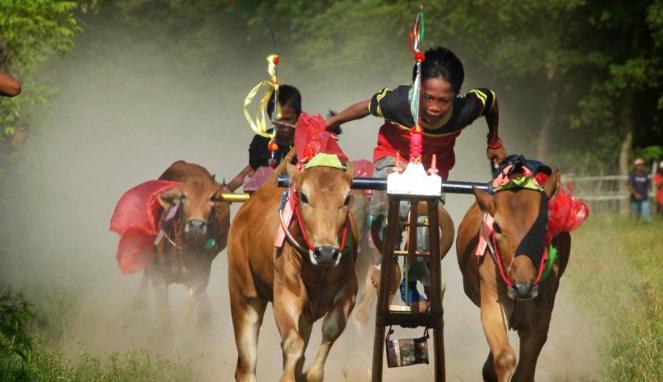
Gubeng Bull Race Madura
Madura Bull Race: A Cultural Deep Dive

The Madurese people are an agrarian society where farming is the primary livelihood. This fundamental aspect of their culture is the very root of the bull race tradition. Historically, the races were simple post-harvest celebrations, a way for farmers to entertain themselves and their communities. This function remains intact today, though the event has become far more organized and elaborate. For the Madurese, the bull race continues to be a main form of entertainment, even amidst the rise of modern amusements, showcasing the tradition’s enduring relevance.
The bull race is far more than an eye-catching spectacle; it is a living representation of Madurese history and character. The races embody the Madurese people’s adaptability and their unique relationship with their environment. The bulls are not just animals; they are partners in farming and symbols of status, strength, and wealth. The intense competition and the pride associated with victory reflect the Madurese reputation for being strong-willed, determined, and highly competitive.
The Grand Stage: The Gubeng Bull Race
What was once a chaotic local amusement has been transformed into a national cultural tourist attraction that is unique to Madura. The bull race championship culminates in the Gubeng Bull Race, a highly anticipated event that determines the ultimate champion. The competition is a tiered system, starting at the village level, advancing to the sub-district and regency levels. The final Gubeng Bull Race brings together the champions from the four districts of Madura, with the winner earning the prestigious Governor’s Trophy.
This grand finale is not just about the race itself. The atmosphere is electric, and the event is a full-fledged cultural festival. A key part of the spectacle is the performance of traditional folk dances that precede the Gubeng Bull Race. These colorful and dynamic performances add a layer of cultural depth, celebrating Madurese heritage and setting the stage for the main event. This specific championship happens only once a year, making it a highly sought-after spectacle for both locals and tourists. If you miss it, you’ll have to wait until the next year for another chance.
The Value and Prestige of the Champion Bull
For the Madurese, the bull race is not just about entertainment, trophies, or prize money. It is a powerful display of ego and pride. Winning the Gubeng Bull Race brings immense personal prestige to the owner. The glory and recognition that come with being the champion are often more valuable than the financial rewards. This sense of pride and social standing is a core reason why so many are invested in the tradition.
The financial aspect, however, cannot be understated. The value of a champion bull can skyrocket to astronomical prices. It’s a fact that a winning bull’s price can reach hundreds of millions of rupiah, a sum that is comparable to a new luxury car. This isn’t a hyperbolic statement; it’s the reality of the market for champion bulls. The investment in raising, training, and caring for a winning bull is significant, but the potential returns in prestige and money make it a worthwhile pursuit for many.
The bull race tradition is a reflection of the Madurese people’s core values. It is a sport born from their agrarian roots, a spectacle that showcases their vibrant culture, and a competition that highlights their competitive spirit and deep-seated pride. The Gubeng Bull Race is the pinnacle of this tradition, an annual event that brings together the best bulls, the most passionate owners, and a community united in celebrating a heritage that is truly their own.
A Detailed Look at the Bull Race Itinerary
To fully appreciate the scope of the Gubeng Bull Race and other bull racing events, it’s helpful to understand the structured process of the races. This isn’t just a spontaneous event; it’s a series of competitions that build up to the grand final.
- Village-Level Races (Lomba Tingkat Desa): The season begins at the grassroots level. Every village that has bulls will hold its own race. This is where owners test their bulls’ speed and endurance. The winners of these initial competitions move on to the next level. This phase is crucial as it identifies potential contenders and builds excitement within the local community.
- Sub-District-Level Races (Lomba Tingkat Kecamatan): The winners from the village races compete against each other at the sub-district level. The stakes get higher, and the crowds grow larger. This stage is a major social event, with people from various villages gathering to support their local champions.
- Regency-Level Races (Lomba Tingkat Kabupaten): The winners from the sub-districts then advance to the regency-level races. Madura is divided into four main districts or regencies—Bangkalan, Sampang, Pamekasan, and Sumenep. Each regency holds its own championship to determine the district’s best bull. These races are highly competitive and are the final hurdle before the grand finale.
- The Grand Finale: The Gubeng Bull Race: This is the pinnacle of the bull racing season. The champions from the four Madura regencies come together to compete for the Governor’s Trophy. The atmosphere is unparalleled, with thousands of spectators from all over Madura and beyond. This is the race that determines the ultimate champion, and the winner gains widespread fame and a place in the bull racing history books. The Gubeng Bull Race is a massive celebration that goes on for a full day, filled with cultural performances, music, and of course, the thrilling races.
The Bulls and the Jockeys: A Team Effort
The success of a bull racing team depends entirely on the health, strength, and speed of the bulls, as well as the skill of the jockey. The bulls are carefully selected and bred for their racing abilities. Their diet is meticulously controlled, often consisting of a special mix of traditional herbs, eggs, and other high-energy foods. They are also given regular massages and special treatments to keep them in peak physical condition. The bond between the owner, the bulls, and the jockey is a crucial element of the sport.
The jockeys, known as jockey in Madurese, are not just riders. They stand on a small, light wooden platform pulled by the two bulls. Their role is to guide and encourage the bulls to run as fast as possible. This requires immense balance, strength, and a deep understanding of the bulls’ temperament. The jockey’s ability to navigate the racecourse and urge the bulls to their maximum speed is a skill that is passed down through generations.
Economic and Social Impact
The Gubeng Bull Race and the bull racing culture have a significant economic and social impact on Madura. For one, it drives local tourism. Visitors from other parts of Indonesia and abroad travel specifically to witness this unique cultural event. This influx of tourists boosts local businesses, from food vendors to guesthouse owners and souvenir sellers.
The bull racing industry itself is a major part of the local economy. The breeding and trading of racing bulls are lucrative businesses. The prices of bulls, especially those from famous bloodlines, can be staggering. This creates a specialized market that supports numerous jobs, from breeders to trainers, veterinarians, and equipment manufacturers. The prestige associated with owning a champion bull can also lead to business opportunities and increased social standing within the community.
In essence, the Madura bull race is a powerful cultural, economic, and social force. It is a spectacle that captures the essence of the Madurese people—their connection to the land, their competitive spirit, and their deep-rooted pride. The Gubeng Bull Race is the shining pinnacle of this tradition, a moment of glory that is eagerly awaited by an entire island.
Costum Request HereFast Response Whatsapp
Read more
- Menjangan Island Access Comparison (2026): Bali vs Banyuwangi — Which Is Better?
- 8 Best Activities Bawean for a 1-Day Shore Excursion
- 8 Fascinating Facts About Bawean Island: The Java Sea’s Hidden Eden
- Exploring Bawean Island: The Hidden Gem of the Java Sea You Must Visit
- Menjangan Island Snorkeling Price Guide (2026): What You Actually Pay
Fishing (22 Trips)
Hiking (33 Trips)
Jungle Safari (26 Trips)
Rafting (9 Trips)