Ratu Boko Palace
Discover the Royal Grandeur of Ratu Boko Palace: An Unforgettable Journey into Ancient Java
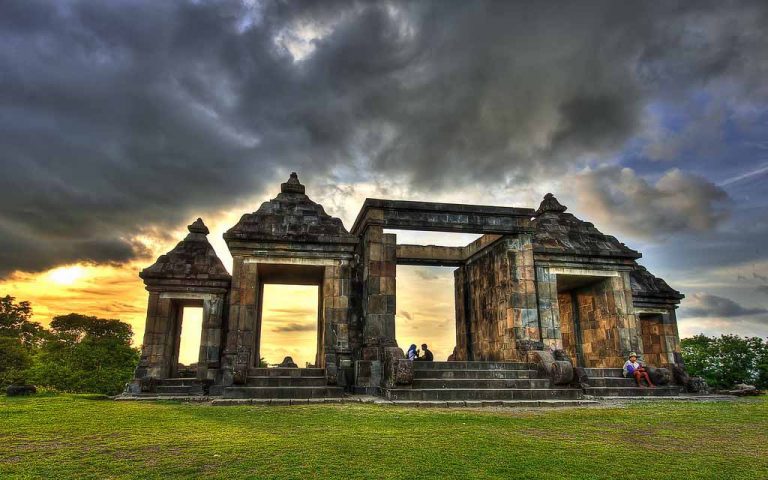
Nestled on a hill just 3 km south of the majestic Prambanan Temple, the enigmatic Ratu Boko Palace stands as a testament to the sophistication and mystery of ancient Javanese civilization. This sprawling 25-hectare archaeological site, located approximately 18 km east of Yogyakarta, offers a unique glimpse into the 8th-century Medang Kingdom. Unlike the region’s many religious temples, this complex, often referred to as a Ratu Boko Palace, is believed to have been a fortified royal residence or an administrative center.
History and Function: Unraveling the Secrets of Ratu Boko Palace
The origins of the Ratu Boko Palace date back to the 8th century, during the reign of Rakai Panangkaran from the powerful Sailendra Dynasty. Its strategic location and architectural layout strongly suggest its function as a royal settlement rather than a purely religious site.
This hypothesis is supported by key archaeological findings:
- Defensive Structures: Excavations have uncovered remnants of strong fortification walls and dry moats, classic elements of a defensive compound designed to protect a seat of power.
- Residential Quarters: The discovery of ancient residential areas around the main site indicates that the Ratu Boko Palace was once a vibrant living quarter for royalty and their retinue.
- Unique Design: The complex’s layout, featuring a grand entrance gate, terraces, and pavilions, points to advanced urban planning and defensive strategy.
This unique blend of residential, administrative, and defensive functions sets the Ratu Boko Palace apart from other contemporary sites like Prambanan and Borobudur. Its profound historical significance has led to its nomination as a UNESCO World Heritage Site since 1995.
Legend and Lore: The Story of Ratu Boko and Roro Jonggrang
The name “Ratu Boko” itself is steeped in local folklore. In Javanese, it translates to “Stork King” and is linked to the famous legend of Roro Jonggrang and the creation of Prambanan Temple. According to the tale, Ratu Boko was the father of Princess Roro Jonggrang. This captivating narrative adds a layer of romantic mystique to the historical site, making a visit not just an archaeological exploration but also a journey into the heart of Javanese cultural storytelling.
For many locals, the Ratu Boko Palace is a tangible link to their ancestral myths and a place where history and legend beautifully intertwine.
Exploring the Complex: Key Areas of the Ratu Boko Palace
As you explore the Ratu Boko Palace complex, you’ll be guided through several distinct sections, each with its own story to tell.
- The Main Gate (Gapura): This grand, tiered entrance is the iconic symbol of Ratu Boko. It offers a dramatic welcome and provides a perfect frame for the breathtaking landscape, especially during sunset.
- The Paseban (Audience Hall): An expansive open area just past the main gate, the Paseban is believed to have been a gathering place for ceremonies and royal decrees, offering a commanding view of the surrounding area.
- The Pendopo (Pavilion) Foundation: The stone foundations of what was once a large, open pavilion suggest a central point for royal activities and formal meetings.
- The Bathing Places (Candi Batok & Candi Batu): These intricately designed structures were likely part of a royal bathing complex, showcasing a sophisticated approach to sanitation and ritual purification.
- The Crematorium Temple: Located at the highest point of the complex, this elevated structure offers panoramic views stretching to Mount Merapi and the city of Yogyakarta.
- The Mahligai Temple: A small, elegant structure whose precise function is debated, but its aesthetic beauty is undeniable, especially when photographed against the sunset sky.
Throughout the site, you can observe the remnants of the extensive defensive walls and dry moats, tangible proof of its role as a fortified stronghold.
Sunset at Ratu Boko: A Golden Hour to Remember
While the historical significance of Ratu Boko Palace is captivating, it is the sunset that makes a visit truly unforgettable. The elevated position offers stunning panoramic views of the surrounding plains, with Prambanan Temple silhouetted in the distance and the volcanoes of Merapi and Merbabu painting a dramatic backdrop.
As the sun descends, the ancient stones of Ratu Boko are bathed in a warm, golden light, creating a serene and picturesque atmosphere. Many visitors specifically time their visit for this magical moment, capturing photographs that perfectly encapsulate the timeless beauty of the site.
Practical Information for Visitors
- Location: Easily accessible from Yogyakarta (approx. 45-60 minutes drive) and often visited in combination with Prambanan Temple.
- Opening Hours: The site typically opens early in the morning and closes after sunset.
- Admission Fee: An entrance fee is required, and combination tickets with Prambanan are often available.
- Facilities: The complex provides basic amenities, including parking and restrooms.
- Best Time to Visit: The dry season (May to September) offers the clearest weather for panoramic views, with sunset being the most popular time.
- What to Bring: Comfortable walking shoes, sunscreen, a hat, water, and your camera are essential.
The Ratu Boko Palace stands as a unique and compelling historical destination. Its blend of royal history, mythical legends, and breathtaking natural beauty makes it a must-visit for anyone seeking to explore the cultural treasures of Indonesia. It’s a place where you can truly walk through history and feel the echoes of a powerful ancient kingdom.

Fishing (22 Trips)

Hiking (33 Trips)
Jungle Safari (26 Trips)
Rafting (9 Trips)