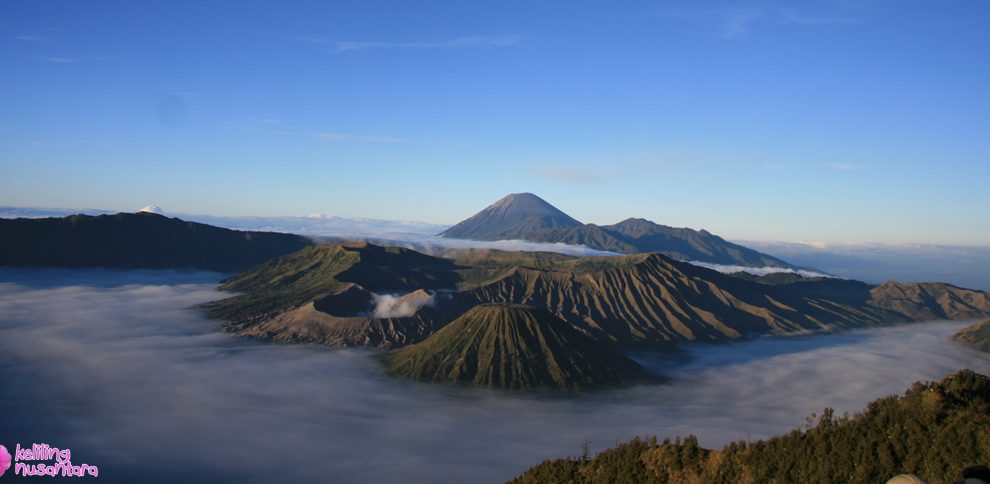
West Java Surfing Review: Your Ultimate Guide

Are you a surfer looking for an Indonesian adventure away from the crowds of Bali? This West Java Surfing Review is your comprehensive guide to the region’s best waves, from beginner-friendly breaks to world-class barrels. West Java offers a unique surf trip experience with its long coast, consistent waves, and rich local culture.
Why Surf in West Java?
While Bali’s reputation as a surfing mecca is undeniable, West Java provides a compelling alternative for those seeking a different kind of trip. With over 270 million people, Indonesia is the world’s 4th most populated country, and West Java is the most populous province, yet its surf breaks are surprisingly uncrowded. The coastline here is a raw, untouched region with national parks and World Heritage sites, offering a beautiful backdrop for your surf sessions.
Here’s what makes West Java a hidden gem for surfers:
- Consistent Swells: The south coast of West Java faces the Indian Ocean, receiving consistent swells throughout the year. The best and most consistent waves typically occur during the dry season from May to October.
- Variety of Waves: You’ll find a wide range of surf spots, from powerful reef breaks to more forgiving beach breaks and point breaks. This means there’s something for every skill level, from a total beginner to an experienced pro.
- Less Crowded: Compared to many of Bali’s famous spots, the breaks in West Java are far less crowded, especially on weekdays. This means more waves for you and a more relaxed atmosphere in the water.
- Accessible from Jakarta: Many key surf spots are a manageable 6-7 hour drive from Jakarta, making it a great option for a weekend trip or a longer surf tour.
Best Surf Spots in West Java
The south coast of West Java is a playground for surfers. From the popular breaks of Cimaja to the secluded barrels of Panaitan Island, here’s a breakdown of the most popular surf spots.
Cimaja – Pelabuhan Ratu
As our base camp, Cimaja is one of the most famous and accessible surf spots in West Java. Located near the town of Pelabuhan Ratu, it’s a right-hand point break with a rocky bottom, known for its punchy and fast waves. It’s a fantastic spot for intermediate to advanced surfers looking to improve their skills. While it can get busy on weekends with surfers from Jakarta and Bandung, the local surf scene is friendly and the wave is consistently fun.
- Wave Type: Right-hand point break.
- Best Swell: Southwest.
- Ideal Tide: Mid to high tide.
- Skill Level: Intermediate to advanced.
Ujung Genteng & Turtles
Located further east from Cimaja, the Ujung Genteng area is home to several quality breaks. One of the most talked-about is Turtles, a powerful, barreling left-hand reef break that is a favorite among experienced surfers. It’s a more challenging spot that can produce long, hollow barrels.
- Wave Type: Left-hand reef break.
- Best Swell: Southwest.
- Ideal Tide: Mid to high tide.
- Skill Level: Advanced.
Panaitan Island
For the most adventurous surfers, Panaitan Island, located within the Ujung Kulon National Park, is a legendary destination. It hosts several world-class breaks, including the famous One Palm Point, a ridiculously shallow and perfect barreling left. Another powerful wave is Apocalypse, which is similar to Hawaii’s Backdoor Pipeline. This is a trip for experienced surfers who are seeking the ultimate challenge and are comfortable with the inherent risks of remote, shallow reef breaks.
- Wave Type: Left and right-hand reef breaks.
- Best Swell: Southwest.
- Skill Level: Advanced.
Other Notable Spots
- Sawarna: A mix of beach and reef breaks with lefts and rights, providing options for all skill levels.
- Ombak Tujuh: Translating to “Seven Waves,” this is a heavy left peak that can get very big, very often. It’s only for experienced big wave riders.
- Pangandaran: Located on the eastern end of West Java, this area offers more gentle beach breaks suitable for beginners.
The Best Time to Visit and Other Tips
West Java has two main seasons: the dry and the rainy. The best time for your West Java surfing review trip is during the dry season, which typically runs from May to October. During this period, you’ll find more consistent swells and favorable winds.
Weather & Water
- Dry Season (May-Oct): Temperatures range from 23°C at night to 34°C at midday. This is the prime surf season with southeast trade winds blowing offshore from 11 am to 4 pm, creating optimal conditions for many spots.
- Rainy Season (Nov-Apr): Waves are generally smaller, and winds are less predictable. The water temperature hovers around 27°C – 30°C year-round, so you can surf in boardshorts or a rash guard.
Getting There & Accommodations
The main surf areas in West Java, such as Cimaja and Pelabuhan Ratu, are relatively easy to access. A 6-7 hour drive from Jakarta or Bandung by private car is the most common and convenient way to get there.
Accommodation options vary from budget guesthouses to comfortable surf resorts. Food is also easily and affordably available, with plenty of local warungs serving delicious Indonesian favorites like fried rice, satay, and meatballs.
Conclusion
If you’re looking for a surf destination with amazing waves, fewer crowds, and a rich cultural experience, West Java is an outstanding choice. This West Java Surfing Review shows that the region has everything you need for an unforgettable surf trip. Contact a local travel agent to help design your perfect adventure and dive into the culture, feel the hospitality of its people, and enjoy the incredible waves.
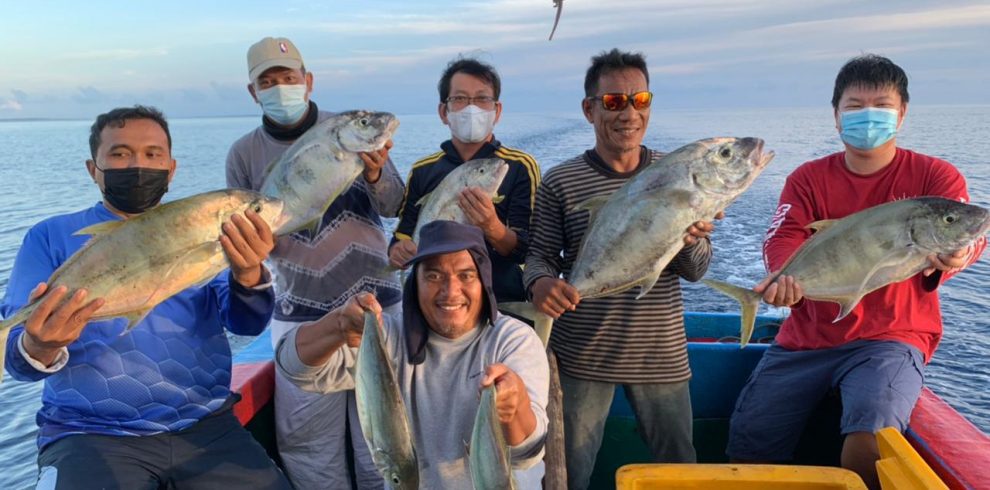
Fishing (22 Trips)

Hiking (28 Trips)
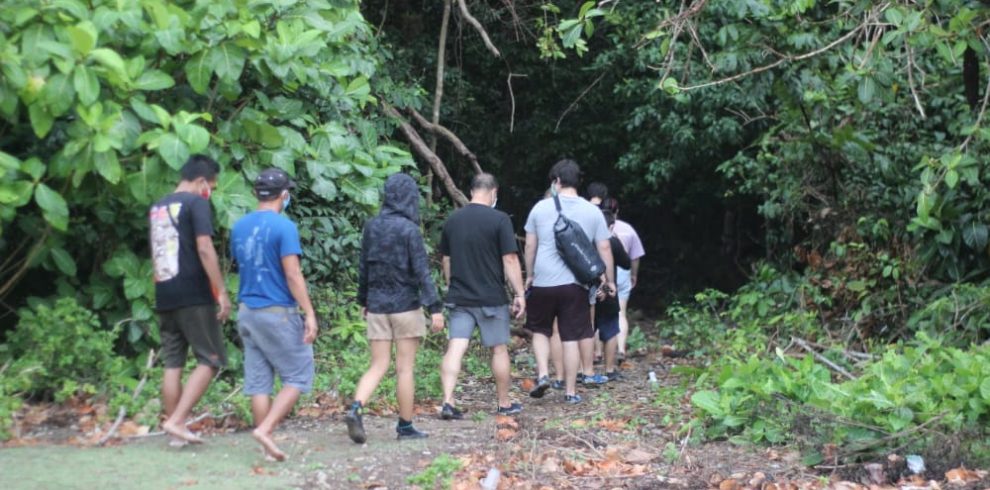
Jungle Safari (21 Trips)
Rafting (9 Trips)