Tourism Objects of Ujung Kulon National Park
Exploring the Tourism Objects of Ujung Kulon National Park
Located at the westernmost tip of Java Island, Indonesia, Ujung Kulon National Park stands as a testament to the raw power of nature and the resilience of life. As Indonesia’s first national park and a revered UNESCO World Heritage Site since 1991, its vast expanse of over 122,000 hectares—including 443 square kilometers of sea—is a protected sanctuary for a wide array of ecosystems and a final refuge for the critically endangered Javan rhino. This is a destination that offers more than just scenic beauty; it’s an immersive journey into a pristine wilderness teeming with history, wildlife, and adventure.
The very existence of Ujung Kulon National Park is tied to one of the most cataclysmic natural events in modern history: the 1883 eruption of Mount Krakatoa. Originally an agricultural area, the land was completely devastated by the eruption’s blast and subsequent tsunamis. This destruction, however, led to an incredible natural regeneration. The area was left untouched, allowing a new, pristine forest to flourish and become the lush, biodiverse haven it is today. As a protected World Natural Heritage Site, its management is a collaborative effort to preserve its unique ecosystems for generations to come.
To truly appreciate the park’s immense beauty, one must explore its diverse collection of tourism objects of Ujung Kulon National Park, each offering a unique glimpse into this untouched world.
Key Tourism Objects of Ujung Kulon National Park
From rugged, ancient islands to thriving mainland forests, the park presents a rich tapestry of adventures. To enter this protected area, permits can be obtained at the National Park Headquarters in the city of Labuan or Tamanjaya. Lodging is available on some of the islands, making them the perfect base for your exploration.
Panaitan Island
Separated from the Ujung Kulon peninsula by a narrow strait, Panaitan Island is a rugged and wild destination for the adventurous soul. Spanning approximately 17,000 hectares, this island is a microcosm of the park’s diverse ecosystems, with a mix of pristine jungle, mangrove forests, and lowland rainforest.
- Wildlife and Trekking: The island’s untouched forests are a haven for wildlife. While trekking along its limited paths, you might spot wild boar, long-tailed macaques, and various species of birds. At the peak of Mount Raksa, you’ll discover a fascinating Ganesha statue and other historical relics from the ancient Hindu period, offering a unique blend of nature and history.
- Marine and Water Activities: The beaches of Panaitan, with their white sands and rocky shores, are a paradise for water enthusiasts. The coral reefs are vibrant and healthy, making it an excellent spot for snorkeling and diving. For surfers, the island’s high waves make it a renowned destination for catching some of the best breaks in the region.
Peucang Island
Often referred to as the jewel of the park, Peucang Island is the most popular and well-equipped destination for visitors. Spanning around 450 hectares, the island offers a range of facilities, including lodging, an information center, and a pier, making it a perfect starting point for your adventures.
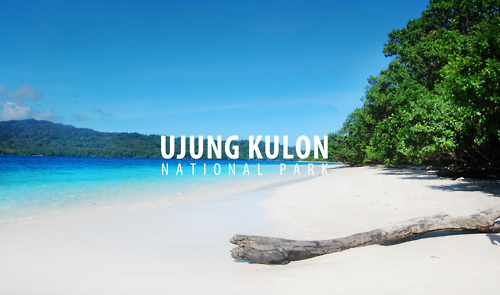
- Beaches and Marine Life: The main attraction of Peucang is its vast, pristine white-sand beach. The calm, turquoise waters are perfect for swimming, and the clear visibility makes it a prime location for snorkeling and diving just offshore.
- Wildlife Viewing: Just a short 15-minute boat ride from the island is the vast Cidaon grazing field. Here, you can watch a stunning display of wildlife, including banteng (wild cattle), peacocks, deer, and wild boar, as they gather in their natural habitat—a truly unforgettable, safari-like experience.
- Historical Sites: History buffs will appreciate the remnants of the Dutch colonial era, such as the Tanjung Layar Lighthouse and old dock constructions at Tanjung Layar and Cibom.
Handeuleum Island
Located in a cluster of small islands at the northeastern tip of the peninsula, Handeuleum Island is a perfect destination for a serene, river-based adventure. This 220-hectare island is surrounded by lush mangrove forests and is home to deer and pythons.
- Canoeing on the Cigenter River: The main attraction here is canoeing down the tranquil Cigenter River. As you paddle along, you’ll be surrounded by a dense tropical rainforest, with the chance to spot pythons, monkeys, and a rich variety of tropical birds.
- Trekking to Waterfalls: Upstream, a small path leads through a bamboo forest to a beautiful terraced waterfall, offering a cool and refreshing end to your trek. The sheer scale and depth of exploration available here make it possible to spend up to two full days enjoying the area.
Mount Honje & The Mainland Gateway
The mainland area of the park, dominated by Mount Honje, is a gateway to even more unique experiences. Spanning 19,500 hectares, this area is bordered by 19 villages, with Tamanjaya village serving as a key entry point to the park.
- Local Culture and Natural Sites: In the vicinity of Tamanjaya, you can visit the traditional Cibanua Fisherman’s Village or discover natural attractions like the Cipaniis waterfall and the Cibiuk hot springs.
- Unique Wildlife: The area is also known for its wildlife viewing opportunities, particularly for the Javan gibbon at the Cikacang waterfall. Tamanjaya village provides all the necessary tourist infrastructure, including lodging, boat rentals, and local guides who can share their deep knowledge of the park.
Krakatau Archipelago
Located in the Sunda Strait, the Krakatau archipelago is a testament to the volcano’s destructive and regenerative power. Once a single volcanic peak that vanished in the catastrophic 1883 eruption, Krakatau is now a cluster of active volcanic islands, including the growing “Child of Krakatoa” (Anak Krakatau).
- Climbing and Snorkeling: This destination offers a truly surreal experience. Visitors can climb Anak Krakatau, a thrilling hike with an incredible view of the volcano’s crater. The surrounding islands and lagoons, like Lagoon Cabe, offer fantastic snorkeling opportunities with clear waters and vibrant marine life. Relaxing on the small, quiet beaches around the archipelago is the perfect way to conclude this awe-inspiring excursion.
Planning Your Visit to Ujung Kulon
Ujung Kulon National Park is a remote and largely undeveloped destination, which adds to its charm but requires careful planning.
- Permits and Accommodation: Permission to enter the park must be obtained at the National Park Headquarters in Labuan or Tamanjaya. Lodging is available primarily on Peucang Island and Handeuleum Island, and it’s essential to book in advance.
- Best Time to Visit: The dry season, from April to October, is the best time to visit, as it offers clear skies, calm seas for marine activities, and better trekking conditions.
- What to Pack: Pack for adventure! Bring insect repellent, sunscreen, a hat, sturdy footwear for trekking, and a waterproof bag to protect your gear. Because of the remote location, be sure to bring any necessary medications and personal supplies with you.
Ujung Kulon is not just a destination; it’s a commitment to preserving the wild. By exploring these remarkable tourism objects of Ujung Kulon National Park, you’re supporting a vital conservation effort and witnessing a truly magnificent part of our natural heritage.
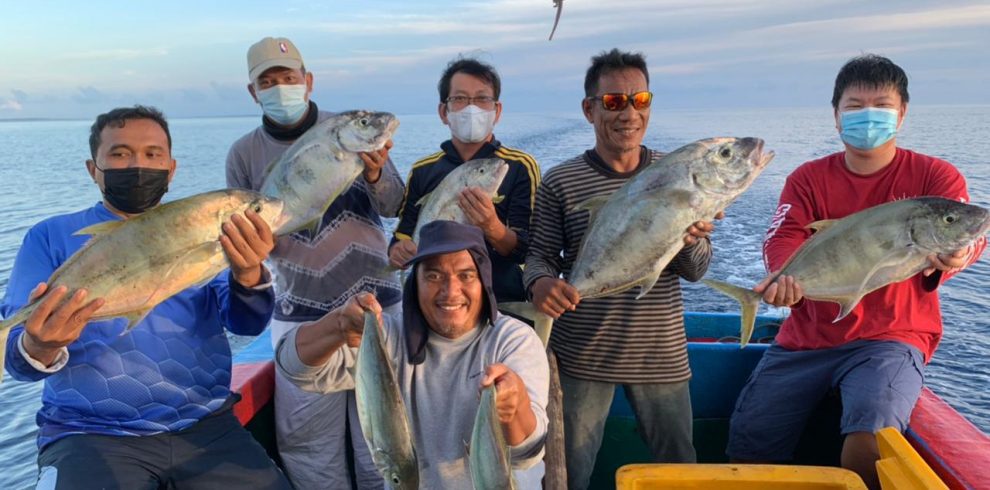
Fishing (22 Trips)

Hiking (33 Trips)
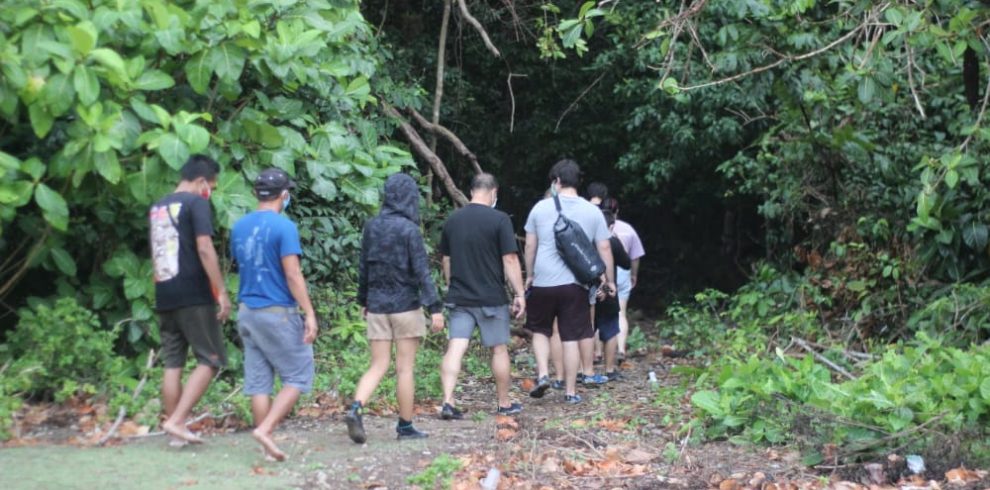
Jungle Safari (26 Trips)
Rafting (9 Trips)