


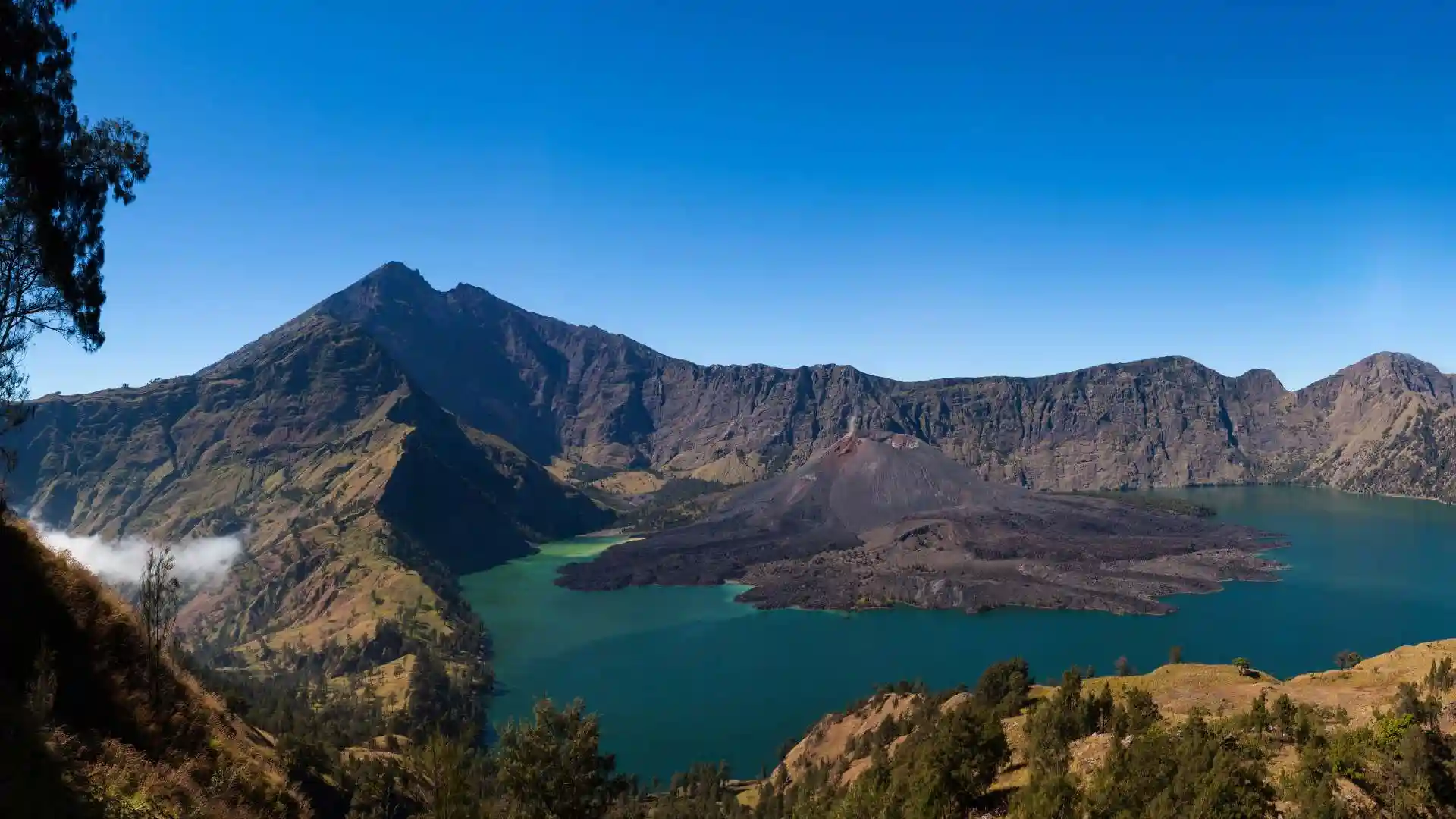
How Much a 2 Week Trip Indonesia Costs – based on personal experience
Two-Week Trip Indonesia Costs That You have to compare before deciding to Indonesia
After years of guiding travelers across Indonesia — from the bustling streets of Jakarta to the quiet beaches of Lombok and the volcanic peaks of East Java — I’ve learned that one of the most common questions people ask me is:
“How much does it really cost to travel around Indonesia for two weeks ?”
And honestly, the answer depends entirely on your travel style.
I’ve seen backpackers make it work with just $500–700 for two weeks, hopping on local buses, eating at warungs, and sleeping in family-run guesthouses. I’ve also guided honeymooners who happily spent $3,000 or more in the same amount of time — staying in cliffside villas, hiring private drivers, and dining under the stars.
Indonesia is flexible that way. You can travel here on a shoestring and still have the adventure of a lifetime, or you can experience absolute comfort without losing the essence of the journey. The key is knowing what to expect — and that’s what I want to share with you.

💰 How Much Does It Actually Cost Two-Week Trip Indonesia Costs?
Based on years of guiding guests from all over the world, here’s a breakdown of what a two-week trip usually costs depending on your travel style:
| Style | Estimated Cost (Per Person) | What It Includes |
|---|---|---|
| Budget Traveler | ~ $50/day ($700 for 2 weeks) | Simple accommodations, local meals, and public transport. |
| Mid-Range Traveler | ~ $150/day ($2,100 for 2 weeks) | Comfortable hotels, mix of local and international dining, and guided activities. |
| Luxury Traveler | ~ $300+/day ($4,200+ for 2 weeks) | Private villas or resorts, personal drivers, exclusive tours, and fine dining. |
These numbers are based on real travelers I’ve guided — not estimates from brochures. I’ve seen them live these experiences firsthand.
🚗 What Affects the Cost Most
1. Transportation
Transportation is usually the biggest variable.
Those who take local buses, shared vans, or ferries can stretch their budget a long way. A bus ride from Yogyakarta to Malang costs just a few dollars, and ferries between islands like Bali and Lombok are also cheap if you go local.
But once you start booking private drivers, speedboats, or domestic flights, costs rise quickly.
For example, flying between Bali and Java might cost as little as $40 if booked early — but double or triple if you book last-minute during peak season.
Many of my guests prefer the middle ground: hire a driver for short distances, then take local transport when it’s safe and easy to navigate.
2. Accommodation
This is where your budget can stretch or shrink dramatically.
In small towns or rural areas, family-run homestays and guesthouses can cost as little as $10–20 per night, often including breakfast and warm smiles.
Mid-range hotels, usually with air conditioning, Wi-Fi, and a pool, range between $40–100 per night.
And if you’re chasing luxury — think resorts in Uluwatu or Nusa Dua, or beachfront villas in Gili Air — you’ll easily spend $300 or more per night.
From my observation, what matters most isn’t the price, but the experience you want. Some travelers say their best nights of sleep came from bamboo huts near the beach, listening to waves instead of air conditioners.
3. Activities
Indonesia offers everything — and the price tag varies just as widely.
Many of the most beautiful experiences are free: watching sunrise from a rice terrace, walking through local markets, swimming in natural waterfalls, or sitting around a fire with villagers.
But some adventures require more.
For example, climbing Mount Rinjani or Mount Bromo, diving in Menjangan, or taking a multi-day boat trip in Komodo National Park will come with entrance fees, guides, and sometimes camping or boat costs.
Typically, multi-day adventure tours including meals, guides, and accommodation start at around $400 for 9–19 days, depending on how rugged or comfortable you want it.
4. Food
Food is one of the most delightful — and affordable — parts of traveling in Indonesia.
At local warungs (small eateries), you can enjoy a full meal for just a couple of dollars. Nasi campur (mixed rice with side dishes) or gado-gado (vegetable salad with peanut sauce) are both delicious and budget-friendly.
Meanwhile, international restaurants in places like Seminyak or Canggu charge anywhere between $10–30 per meal — still cheaper than Western prices, but significantly higher than local food.
From experience, the happiest travelers are those who balance both: they enjoy the authenticity of local food, then treat themselves to a fancier meal once or twice a week.
5. The Season You Travel In
Prices in Indonesia fluctuate with the seasons.
During peak months (July–August and December–January), prices for accommodation and domestic flights can rise by 30–50%.
On the other hand, the shoulder seasons — typically March to May and September to November — are ideal for travelers who want great weather, fewer crowds, and better deals.
Personally, I always recommend these months. The islands are quieter, locals are more relaxed, and you get a much deeper connection with the culture.
🌴 Sample Itineraries and Realistic Costs
To give you an idea, here are sample two-week trips based on what I’ve seen travelers actually do:
Two Weeks in Bali
- Budget Travelers: $700–1,050
You’ll stay in homestays around Ubud or Canggu, rent a scooter, eat at warungs, and explore temples, waterfalls, and beaches independently. - Mid-range Travelers: $2,100–3,150
Expect boutique hotels, yoga retreats, spa days, and guided tours to cultural villages and snorkeling spots.
Two Weeks in Lombok and the Gili Islands
- Budget Travelers: $700–1,050
Sleep in simple beach huts, explore waterfalls, take shared boats, and relax on quiet beaches. - Mid-range Travelers: $2,100–3,150
Stay in small resorts, join snorkeling or diving trips, and enjoy seafood dinners by the beach.
These aren’t just price tags — they’re reflections of real travelers’ lifestyles I’ve observed over the years.
💡 Tips I Always Give My Guests who spent Week Trip Indonesia Costs
After guiding hundreds of people through Java, Bali, Lombok, and beyond, I’ve learned that a few small habits can make a big difference in your travel budget — and your experience.
- Travel in the shoulder season.
You’ll get the same beauty for a fraction of the cost — and a lot more peace. - Use public transport when possible.
It’s not just cheaper; it’s an adventure in itself. You’ll meet locals, hear stories, and understand the rhythm of the country. - Stay with locals.
Guesthouses and homestays give you more than a place to sleep — they give you connection. You’ll learn how people live, cook, and think. - Eat local.
Warung food isn’t just affordable; it’s part of the culture. From mie goreng to sate lilit, local dishes carry centuries of history and flavor. - Book early for domestic flights.
Indonesia is vast. Planning ahead saves you both money and time.
🧭 A Few Personal Observations
I’ve noticed something fascinating after all these years:
Money doesn’t always determine the quality of a trip.
Some of my happiest guests were the ones who traveled light, who didn’t rush, and who took time to sit with locals, share a meal, or join a village ceremony. They didn’t have the most expensive hotel, but they had the most meaningful stories to tell.
Meanwhile, I’ve seen luxury travelers who never stepped outside their resort, and while they enjoyed comfort, they often missed the true heart of Indonesia — the warmth, chaos, and humanity that make this country unforgettable.
Indonesia rewards curiosity more than luxury. The deeper you go, the richer your experience becomes.
🌅 Final Thoughts
If you’re planning a two-week trip to Indonesia, expect to spend anywhere from $500 to $3,000 depending on how you want to travel.
It’s a country that gives you options — whether you’re a solo backpacker chasing sunsets, a couple on a mid-range adventure, or a family seeking a comfortable escape.
But from my years guiding people through volcanoes, beaches, and temples, here’s the truth I’ve come to believe:
The real value of traveling Indonesia isn’t measured in dollars — it’s measured in how deeply you allow yourself to feel this place.
So, pack your curiosity, travel smart, and let the islands teach you their rhythm.
Whether you spend $50 or $500 a day, if you open your heart, Indonesia will always give you more than what you pay for.