


![[:en]Istiqlal Mosque[:id]Istiqlal Mosque City Tour Jakarta[:]](https://kelilingnusantara.com/wp-content/uploads/2018/04/Istiqlal-Mosque.jpg)
Exploring Jakarta’s Dual Identity: The Ultimate Jakarta City Tour Guide to the Capital
Jakarta, as the capital and economic hub of Indonesia, is a city of sharp contrasts, offering a unique blend of deep colonial history, dynamic cultural acculturation, and towering modernity. A Jakarta City Tour provides an efficient journey to grasp the city’s duality.
Here are the main options and iconic, must-visit destinations for your exploration.
1. Popular Options for a Jakarta City Tour
There are three primary methods you can choose to explore Jakarta, tailored to your budget and comfort preferences.
A. Transjakarta Tour Bus (Free & Efficient)
This free double-decker bus service, known as “Mpok Siti,” is the easiest and most economical way to see the city. It operates a Hop-on/Hop-off system, allowing you to alight and re-board at various key landmarks.
- Jakarta Heritage Route (History): Covers historical areas such as Kota Tua (Old Town), Monas, Istiqlal Mosque, and the Cathedral Church.
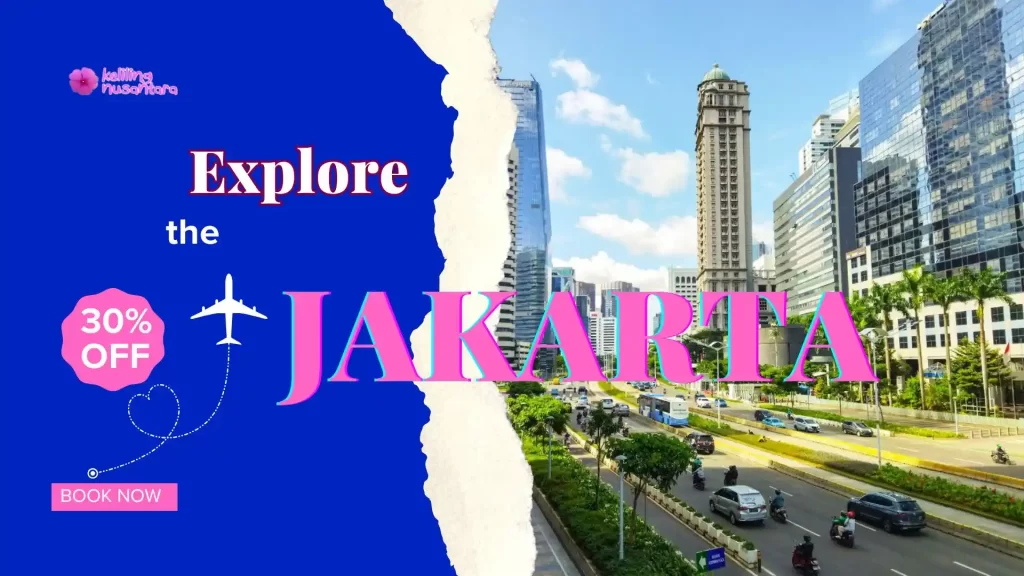
- Jakarta Skyline Route (Modern): Focuses on skyscraper views and modern districts like Bundaran HI and Jalan Jenderal Sudirman.
- Features: Views from the open upper deck and audio guides.
B. Private Tour (Flexibility and Comfort)
This is ideal for small groups, families, or travelers desiring a personalized experience.
- Advantages: Routes can be fully customized to your interests (e.g., a culinary tour, an architectural tour), accompanied by a licensed local guide, and utilizing air-conditioned private cars for time efficiency.
Check Tou Sampel :
C. Travel Agency Tour Packages
Travel agencies and platforms like Klook or Traveloka offer structured tour packages, ranging from half-day to full-day excursions. This is a hassle-free option with pre-determined routes that guarantee coverage of iconic spots.
2. Iconic Must-Visit Destinations
Every landmark in Jakarta tells an important chapter of Indonesian history and culture.
A. Kota Tua Jakarta: The Heart of Batavia
This area is the legacy of the Dutch colonial era (Batavia).
- Fatahillah Square: The main square, surrounded by historical buildings like the Jakarta History Museum (former City Hall). You can rent colorful onthel bicycles here.
- Wayang Museum & Fine Art and Ceramic Museum: Offer deep insights into Indonesian art and culture.
- Sunda Kelapa Port: Located slightly north, you will see traditional Phinisi ships still in operation, silent witnesses to the spice trade route.
B. Monas (National Monument): The Pillar of Independence
Monas is the symbol of Indonesian independence. Standing at 132 meters with a gold-leaf-covered flame on its peak, Monas offers:
- National History Museum: Located in the base of the monument with dioramas detailing the nation’s history.
- Observation Deck: Provides a panoramic view of Jakarta from above (requires a separate ticket purchase).
C. Symbols of Tolerance: Istiqlal and the Cathedral
The Istiqlal Mosque (Southeast Asia’s largest mosque) and the neo-Gothic-style Jakarta Cathedral Church stand opposite each other, symbolizing religious harmony and tolerance in Indonesia. They are now connected by the “Silahturahmi Tunnel” (Tunnel of Friendship).
D. Glodok (Chinatown): Cultural Acculturation
This Chinatown district is a blend of Chinese history and Betawi culture.
- Petak Sembilan: The center is a narrow alley with old monasteries like Jin De Yuan and legendary culinary vendors like Kopi Es Tak Kie.
- Culinary: Glodok is a paradise for lovers of unique and historical food.
E. Green and Modern Tourism
For recreation, visit:
- Tebet Eco Park: A modern, family-friendly, and environmentally conscious city park.
- Taman Impian Jaya Ancol: An integrated recreation area on the north coast that includes Dunia Fantasi (Dufan) and SeaWorld.
3. Crucial Tips for Your City Tour
- Beat the Traffic: The best time to travel between locations is outside of peak hours (avoid 7:00–9:00 AM and 4:00–7:00 PM on weekdays). Weekends are much more favorable.
- Attire: Wear comfortable, light, and sweat-absorbing clothes. Modest attire is mandatory when visiting places of worship (covering shoulders and knees).
- Electronic Money (E-Money): Electronic money cards are essential for public transport (Transjakarta Bus, MRT) and other general payments.
- Culinary Delights: Don’t miss the chance to try local Betawi cuisine like Kerak Telor (omelet-style snack) or the famous Nasi Goreng Kambing (Mutton Fried Rice).
Jakarta is a city that offers a layered experience. By choosing the right route, you can quickly uncover its rich history and captivating modernity.