


Diving in the Wakatobi – How to Get There Complete Guide
Why Wakatobi is Worth the Journey
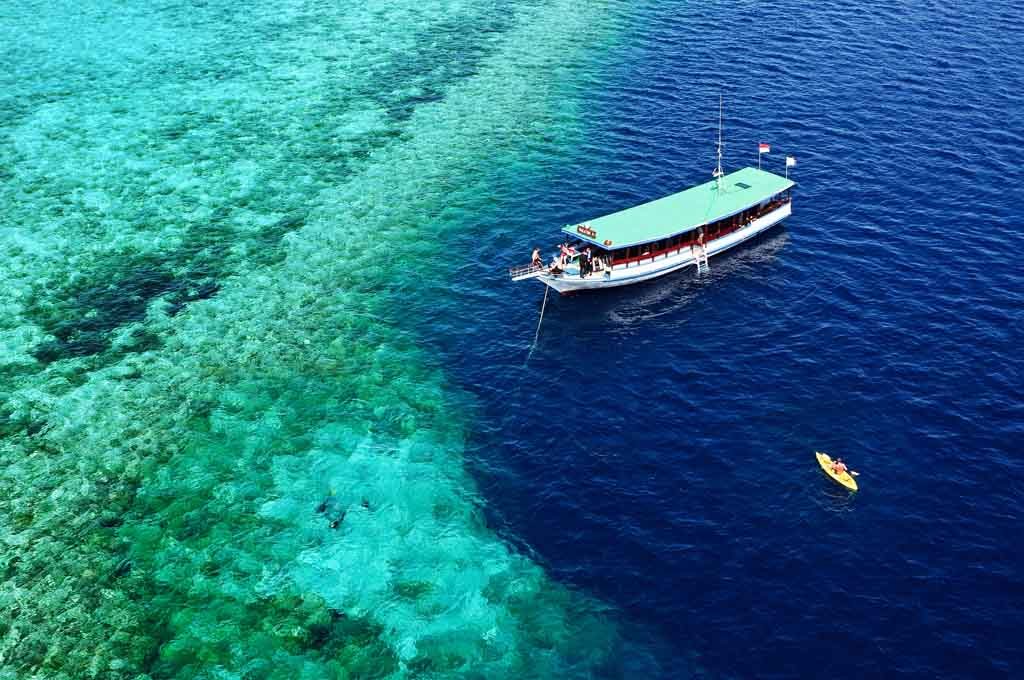
The Wakatobi is a remote archipelago situated in the center of the Coral Triangle in Southeast Sulawesi, Indonesia. It is home to the country’s second-largest Marine National Park, covering 12,500 square kilometers of protected coral reefs, white sandy beaches, and remote traditional villages.
For divers, photographers, and marine biologists, Wakatobi is paradise on Earth. It boasts some of the healthiest reefs in the world—untouched, full of vibrant fish, and free from the crowds of Bali or Komodo.
While Wakatobi used to be hard to reach due to its remoteness, that is changing. With new flight connections into Wanci Island’s Matahora Airport (WNI), visitors can now reach this once-hidden gem faster than ever.
How to Get to Wakatobi
Option 1: Flight via Makassar (Most Reliable)
The easiest way to reach Wakatobi is via Makassar (Sultan Hasanuddin International Airport).
- Fly from Jakarta, Surabaya, or Bali to Makassar (daily flights).
- From Makassar, take a small 32-seater Wings Air or Express Air flight to Wanci (WNI).
- Flights operate daily except Mondays.
- Flight duration: 1 hr 50 min.
👉 Note for divers: baggage allowance is only 10 kg. Extra baggage can be paid for, but on full flights it may be delayed. Best tip? Rent dive gear from your operator in Wakatobi to save weight.
Option 2: Charter Flight from Bali (Luxury Option)
If you’re staying at Wakatobi Dive Resort, you can take a chartered direct flight from Bali to the resort’s private airstrip.
- Duration: 2.5 hours direct.
- Advantage: Saves an entire day of travel.
- Downside: Very expensive unless booked as part of a dive package.
I’ve taken this route once, and while pricey, it was the smoothest way to arrive in paradise.
Option 3: Ferry + Local Travel (Budget Option)
If you have more time, you can combine flight and ferry:
- Fly Makassar → Bau-Bau (Lion Air or Express Air).
- Take an overnight ferry from Bau-Bau to Wanci (9 pm – 6 am).
- From Wanci, catch a speedboat to Hoga or Tomia.
This route takes longer but is cheaper and gives you the chance to dive in Bau-Bau before heading into Wakatobi.
🚤 Final Leg: From Wanci to Hoga & Tomia
Your real adventure begins after you land in Wanci. Most of the best diving isn’t on Wanci but around Hoga Island and Tomia Island.
- From the airport, grab a taxi to Pelabuhan Mola (Mola Harbor).
- Public boats leave daily to Hoga or Tomia.
Boat schedule tips:
- Hoga boats: 9 am – 12 noon. You can usually catch one the same day you land.
- Tomia boats: Depart 9–10 am. If your flight lands late (10.30 am), you may need to overnight in Wanci.
- Charter boats: If you’re in a group of 4+ divers, ask your dive operator to arrange a private pick-up.
👉 If you miss the public boat, you can charter a small Bajo boat to Hoga. For Tomia, advanced arrangement is highly recommended.
🏝 Wakatobi at a Glance
- Wangi-Wangi → Gateway, local markets, cultural villages.
- Kaledupa → Traditional Bajo (sea gypsy) villages.
- Tomia → Best diving spots + panoramic view from Kahyangan Hill.
- Binongko → Known as the “island of blacksmiths” producing traditional machetes (parang).
🤿 What to Do in Wakatobi
1. Diving (World-Class)
With 750 coral species and 900+ fish species, Wakatobi is one of the best dive spots in the world.
- Must-dive sites: Roma Reef (Tomia), Cornucopia (Hoga), Sombu Wall (Wangi-Wangi).
- Visibility: 30–50 meters.
- Best for: Macro photography, coral gardens, large schools of fish.
2. Snorkeling
Not a diver? No worries. Snorkeling is just as breathtaking.
- Best snorkeling: Hoga Island reefs, just steps from the beach.
- Budget option: Sombu Beach (Wangi-Wangi).
3. Island Hopping
Each island offers a different vibe: markets, villages, hills, reefs. I always recommend a 3-island trip (Wangi-Wangi → Hoga → Tomia).
4. Meet the Bajo Sea Gypsies
The Bajo live in stilt houses above the sea and have been called the “nomads of the ocean.” Visiting them is an unforgettable cultural highlight.
5. Sunset & Stargazing
My best memory of Wakatobi wasn’t diving—it was sitting in Tomia, watching the sunset paint the ocean gold, followed by a sky full of stars with zero light pollution.
🗓 Best Time to Visit Wakatobi
- March – May → Calm seas, good visibility.
- September – November → Peak season, reefs at their best, chance to spot whales.
- December – February → Rainy season, some operators close.
👉 My top pick: October (sunny, fewer crowds, excellent diving).
💰 Costs & Budget
| Expense | Budget Traveler | Mid-Range | Luxury Diver |
|---|---|---|---|
| Accommodation | $15–30/night | $40–80/night | $200–600/night |
| Diving | – | $35–50/dive | Package $2,500+/week |
| Snorkeling trip | $10–20 | $20–30 | Often included |
| Flights (Jakarta → Wakatobi RT) | $200–300 | Same | Private charter (from Bali) |
👉 Backpackers can spend $500/week, divers at luxury resorts can spend $3,000+.
🙋 FAQ
Q: Is Wakatobi safe for solo travelers?
Yes, very safe. Local people are friendly and welcoming.
Q: Can I see Wakatobi if I don’t dive?
Absolutely. Snorkeling and cultural trips make it worthwhile even without diving.
Q: How does Wakatobi compare to Raja Ampat?
Raja Ampat is bigger and wilder. Wakatobi is more compact, easier to navigate, and has equally stunning reefs.
🎯 Conclusion: Wakatobi is Worth Every Mile
Yes, Wakatobi is remote. You’ll need multiple flights, boats, and some planning. But once you’re there, you’ll find the best diving in Indonesia, authentic island culture, and reefs so pristine they feel untouched.
For anyone already planning a Bromo and Ijen tour package, Wakatobi is the perfect addition—volcanoes by land, coral gardens by sea.
👉 Don’t just dream of Wakatobi—plan it. Pack light, book your flights early, and let the magic of the Coral Triangle blow your min