


Best Time to Visit Mount Ijen
Best Time to Visit Mount Ijen
Choosing the best time to visit Mount Ijen is important if you want to enjoy the blue fire, sunrise, and the famous turquoise crater lake. Here’s a simple guide to help you decide when to plan your Ijen tour.
🌌 Midnight Blue Fire Hike vs 🌅 Sunrise Hike
Midnight hike (12:00 – 3:00 AM):
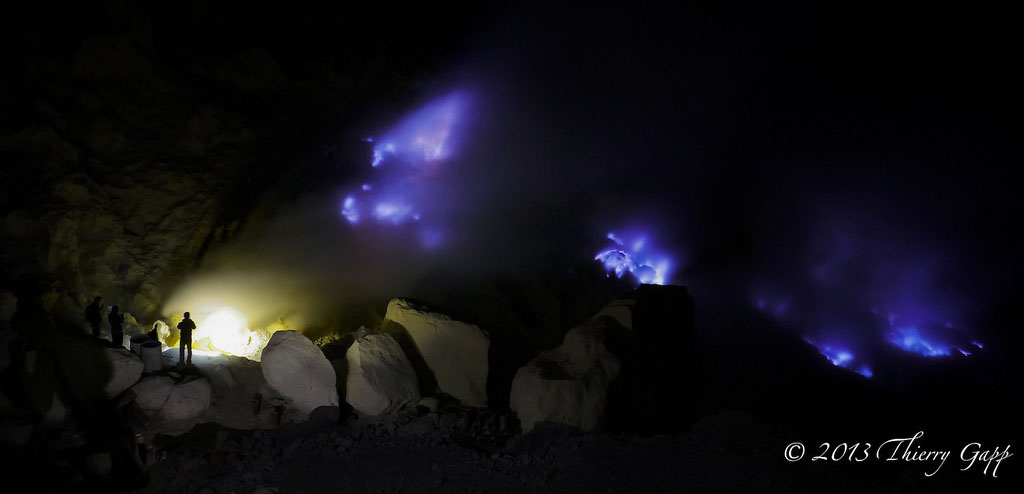
Main highlight: Blue fire phenomenon, only visible in the dark
Requires gas mask and strong stamina
Less crowded before sunrise
Sunrise hike (4:30 – 6:00 AM):
Main highlight: Golden sunrise over the crater lake
Easier trek if you skip midnight hike
Popular among casual travelers
💡 Best experience: Start trekking at midnight, see the blue fire, then continue until sunrise for both highlights.
🌤 Dry Season vs 🌧 Rainy Season
Dry season (April – October):
Best weather, clear skies for sunrise
Safer trekking path, less slippery
Peak time for tourists (especially July–August)
Rainy season (November – March):
- Trails can be muddy and dangerous
- Blue fire harder to see due to fog
- Fewer crowds → good if you prefer quiet moments
👉 For the best Ijen photos and safe hike, aim for May–September.
📈 Peak Season vs Low Season
Peak season:
July–August (summer holidays) & December (Christmas–New Year)
Expect higher prices for hotels & tours
More crowded trails
Low season:
February–April
Less crowd, easier to book last-minute tours
Budget-friendly accommodation
✅ Conclusion
The best time to hike Mount Ijen is during the dry season (May–September) with a midnight start to witness both the blue fire and sunrise.
For travelers who prefer fewer crowds and cheaper options, low season is still possible—but always prepare for rain and slippery trails.
👉 Internal link suggestions (cluster strategy):
Practical Guide to Ijen Crater: Tickets, Transport & Safety
Ijen Blue Fire: Why It’s the Only One in the World
Bromo vs Ijen: Which Volcano Should You Visit?