A Local Food Journey from Pasar to a Madurese Kitchen
Format: Private culinary experience
Duration: Half day
Location: North Jakarta
Style: Local, intimate, hands-on, food-focused
Ideal for: Travelers who want to experience Jakarta beyond conventional sightseeing
The Experience Jakarta Cooking Class and Fruit Teste
This is not a conventional Jakarta food tour.
Instead of moving from one restaurant to another, the experience follows the way food actually moves through everyday Jakarta — from a traditional market, to the kitchen, and finally to the dining table.
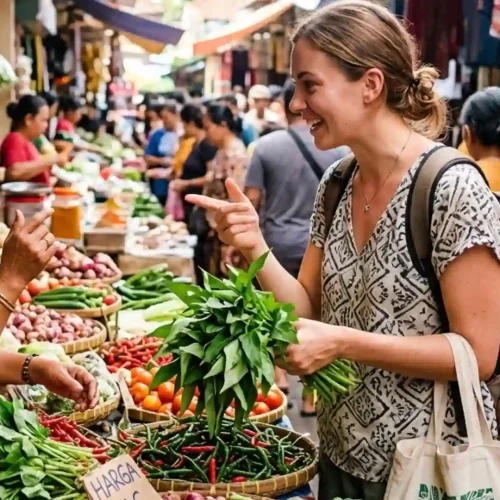
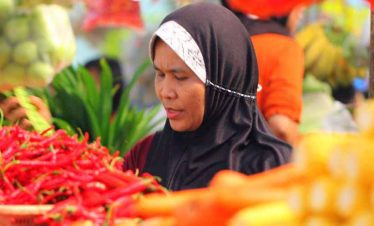
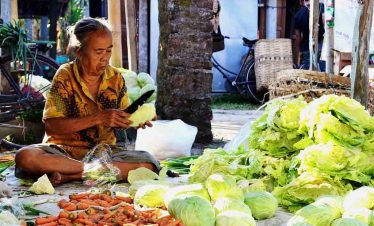
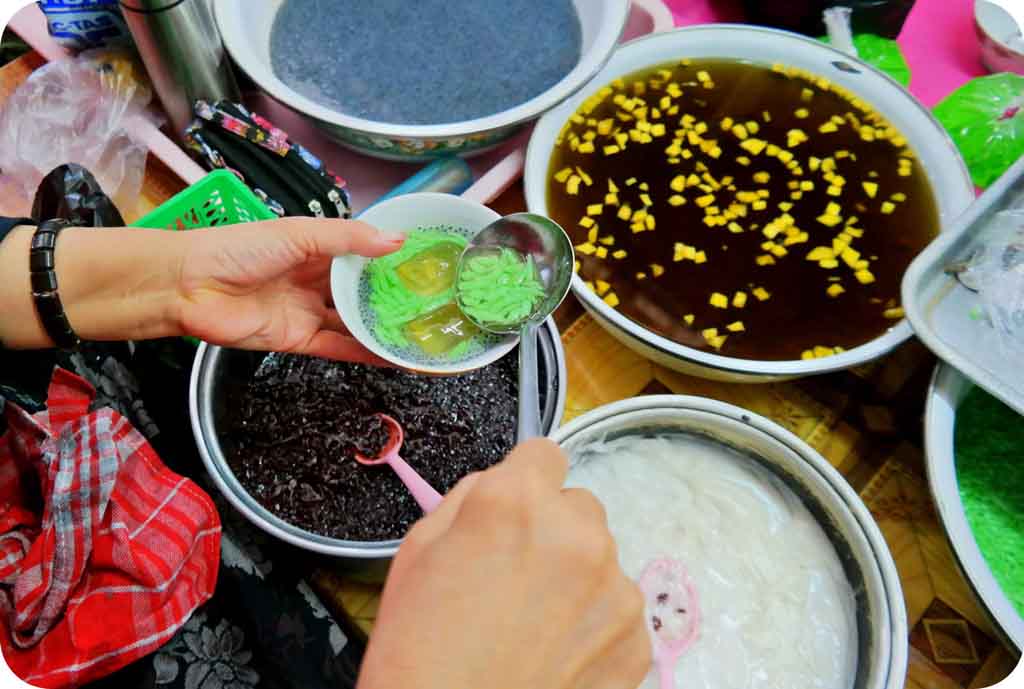
We begin at Pasar Komplek, where we explore the world of traditional Indonesian market snacks and discover the small foods that Jakartans grow up eating.
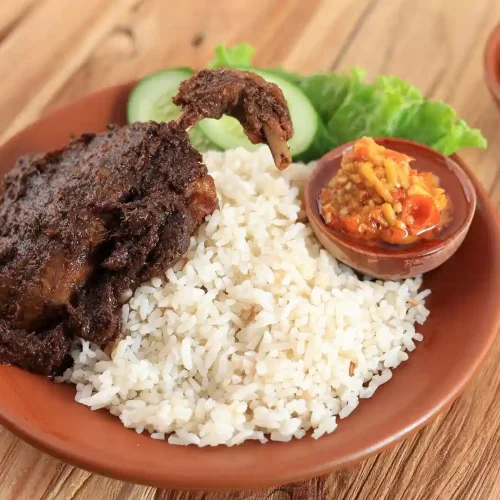
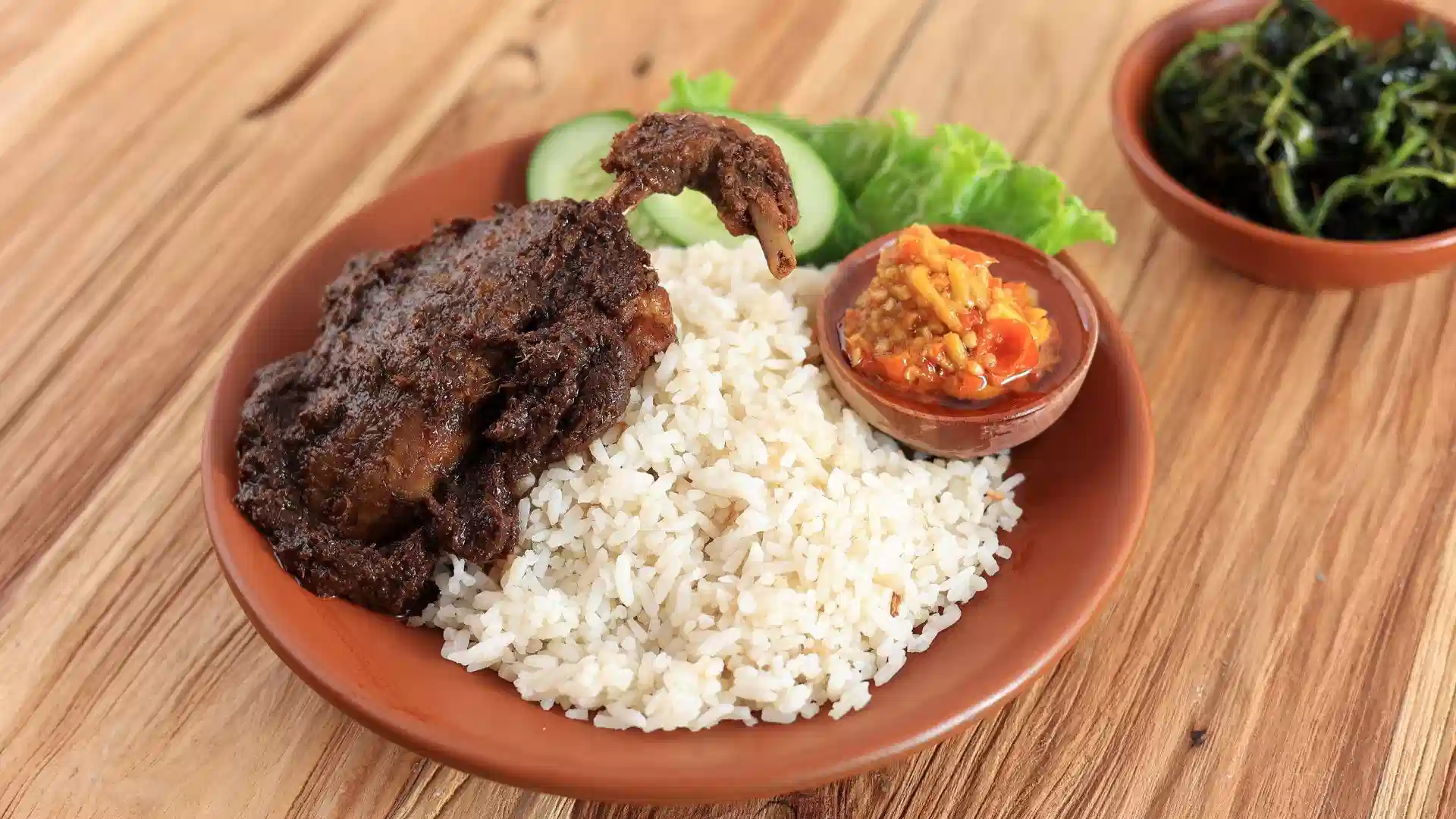
From there, we continue into the kitchen to learn how to make one of the most distinctive dishes associated with Madurese cooking in Jakarta: bebek Madura.
The guest doesn’t simply watch.
Together, we prepare the spice paste, learn how the ingredients are combined, and cook the duck before sitting down for lunch.
Along the way, we also take time to taste several seasonal Indonesian tropical fruits — an opportunity to discover flavors that visitors may rarely encounter outside Indonesia.
The result is a slow, personal food experience that connects market, ingredients, cooking and people.
1. Morning — Discover Jakarta Through Its Traditional Market
We start the morning at Pasar Komplek, one of the traditional market areas in North Jakarta.
Rather than following a fixed list of famous foods, we walk through the market and look for what is interesting that day.
We might find:
- Klepon
- Nagasari
- Lemper
- Kue putu
- Dadar gulung
- Kue talam
- Pastel
- Risoles
- Traditional fried snacks
- Other seasonal market specialties
The idea is not to eat everything.
We select a small collection of snacks together and taste them along the way.
The market becomes our first introduction to Jakarta — not through monuments, but through the food people actually buy and take home.
2. Choosing the Ingredients
After exploring the market, we move toward the ingredients that will become our lunch.
This is where the experience becomes more personal.
We introduce the spices and ingredients behind Madurese-style duck cooking and explain how each one contributes to the final flavor.
Depending on the season and availability, this may include ingredients such as:
- Shallots
- Garlic
- Candlenut
- Turmeric
- Ginger
- Galangal
- Coriander
- Chilies
- Lemongrass
- Kaffir lime leaves
- Other local spices
Instead of presenting Indonesian food as a complicated list of exotic ingredients, we explain how these ingredients are actually used in an Indonesian kitchen.
3. Make the Spice Paste Together
This is the heart of the experience.
Guests join us in preparing the bumbu bebek Madura.
We grind, mix and prepare the spice paste together before it goes into the cooking process.
There is no need for professional cooking skills.
The point is to understand the process — the smell of the spices, the texture, the balance of flavors and the patience required to build the dish.
This is where the guest stops being a visitor and becomes part of the meal.
4. Tropical Fruit Tasting
While the duck is cooking, we take a break with a selection of Indonesian tropical fruits.
The selection changes according to the season.
Depending on availability, this could include:
- Salak
- Mangosteen
- Rambutan
- Duku
- Soursop
- Star fruit
- Snake fruit
- Mango
- Other seasonal fruits
We use the fruit tasting as a simple way to talk about Indonesia’s enormous diversity of produce.
Some fruits may be familiar.
Others may be completely new to the guest.
5. Lunch — Bebek Madura
By lunchtime, the duck is ready.
We sit down together and enjoy the meal we have helped prepare.
The lunch may include:
Main
- Madurese-style duck
Accompaniments
- Steamed rice
- Sambal
- Fresh vegetables
- Seasonal side dishes
The important part is that lunch isn’t simply another restaurant stop.
It is the conclusion of everything that happened earlier that morning.
The guest saw the ingredients, helped prepare the spices, participated in the cooking and finally sat down to eat the result.
Why This Experience Is Different
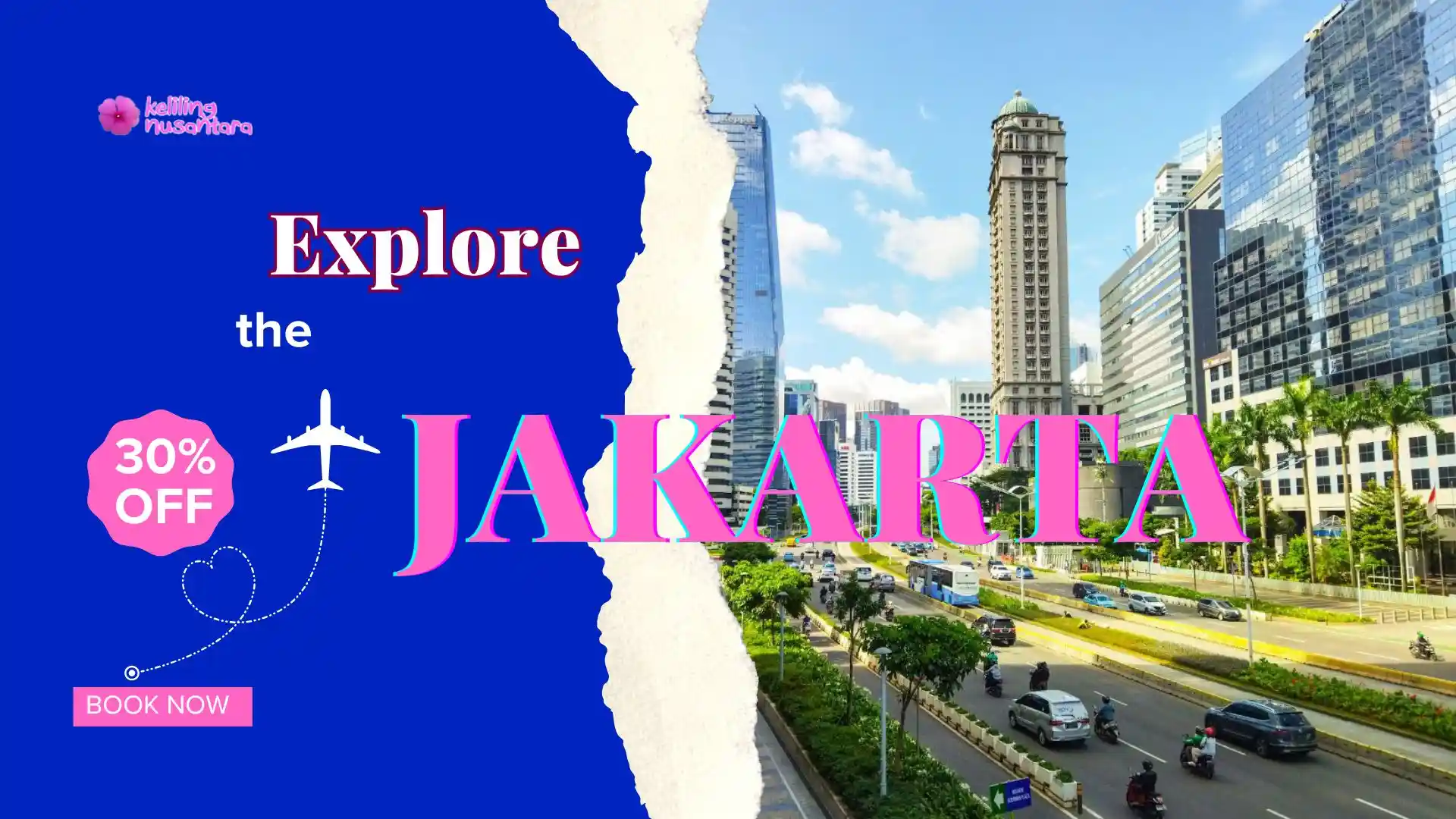
Jakarta is often presented to travelers through its skyline, shopping malls, historic buildings and traffic.
But another Jakarta exists underneath that image.
It is found in traditional markets, family kitchens, street-side food stalls, seasonal fruit sellers and the food traditions brought by communities from across Indonesia.
This experience explores that Jakarta through one simple question:
What does Jakarta taste like?
Rather than trying to show everything in one day, we choose one thread — food — and follow it from market to kitchen to table.
That is what makes this experience intimate and memorable.
Trip Info
-
General Transportation
-
English - Indonesia
-
Jakarta
Overview
The Feeling We Want Guests to Take Home
Not:
“I visited a market in Jakarta.”
But:
“I went into a Jakarta market, tasted things I had never seen before, learned how Indonesian spices work, cooked with a local, and ate the meal we made together.”
That is the difference between a Jakarta tour and a Jakarta experience.