8 Fascinating Facts About Bawean Island: The Java Sea’s Hidden Eden

8 Fascinating Facts About Bawean Island
When people think of Indonesian island getaways, the mind immediately drifts to the cliffside villas of Bali or the rugged hills of Komodo. However, tucked away 120 kilometers north of Java’s coastline lies a pristine, emerald speck in the Java Sea that most travelers have never even heard of: Bawean Island.
Known colloquially as the “Island of 99 Hills,” Bawean is a volcanic marvel that remains largely untouched by the commercial footprints of mass tourism. For the curious traveler, this island is not just a destination; it is a living museum of endemic wildlife, ancient legends, and unique social structures. If you are planning a journey into the heart of the Indonesian archipelago, here are 8 essential facts about Bawean Island that you should know.
1. The Intriguing “Island of Women” (Pulau Putri)
Perhaps the most culturally significant fact about Bawean is its nickname, Pulau Putri or the Island of Women. This isn’t because men are prohibited, but due to a centuries-old tradition of migration known as Merantau.
For generations, Baweanese men have been renowned seafarers and laborers who travel to Malaysia, Singapore, and Vietnam to work and send money home. Consequently, the island’s daily operations—from managing the markets to leading community discussions—are often handled by women. This has created a unique social resilience and a matriarchal atmosphere that is rare in other parts of Indonesia. When you walk through the traditional markets in Sangkapura, you are witnessing a society powered by strong, independent women.
2. Home to the World’s Rarest Deer (Axis kuhlii)
Bawean Island is a “Galapagos of the Java Sea” in its own right. It is the only place on the planet where you can find the Bawean Deer (Axis kuhlii). Unlike its larger cousins on the mainland, the Bawean Deer is a small, shy, and nocturnal creature.1
Scientists believe these deer are a “relict species” from the Pleistocene era when Java was connected to the Asian mainland. As sea levels rose, they were trapped on this volcanic outcrop. Today, they are critically endangered. Visiting the Bawean Deer Sanctuary in the Pudakit Barat highlands is a must for any eco-conscious traveler. It offers a rare opportunity to see a creature that exists nowhere else—a true bucket-list item for wildlife enthusiasts.
3. The Legend of “There is Sunlight”
The name “Bawean” itself carries a poetic history. Etymologically, it is derived from the Sanskrit words Ba (light), We (sun), and An (there is). According to local legend, a group of sailors from the Majapahit Kingdom was lost in a perilous, dark fog in the Java Sea around the year 1350.
Just as they feared for their lives, the fog broke, and a beam of sunlight revealed a lush, green island. The sailors shouted, “Ba-we-an!” (There is sunlight!), and found refuge on its shores. This sense of being a “sanctuary” still permeates the island today; it feels like a place where the sun shines a little brighter and the world moves a little slower.
4. A Rugged Landscape of 99 Hills
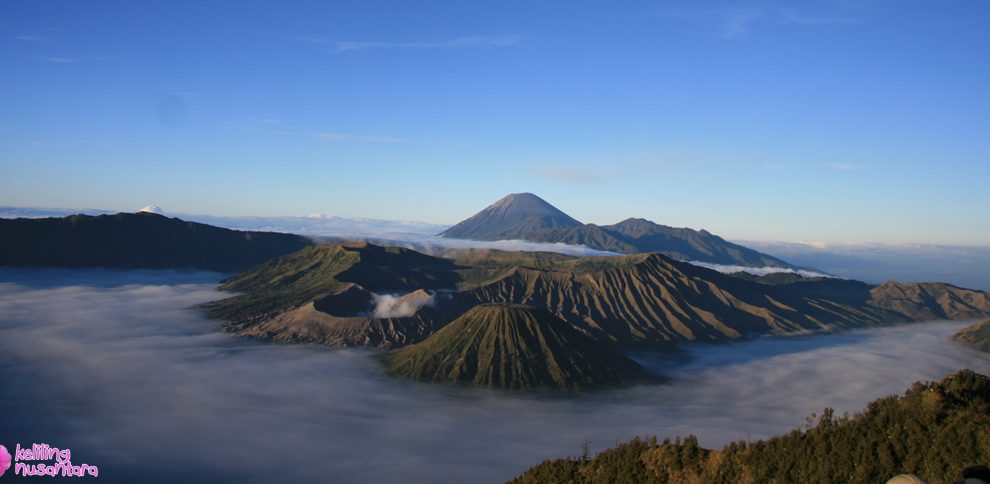
While many tropical islands are characterized by flat, sandy coastlines, Bawean is dramatically vertical. It is an ancient volcanic complex, resulting in a landscape dominated by roughly 44 volcanic domes and a total of 99 hills.
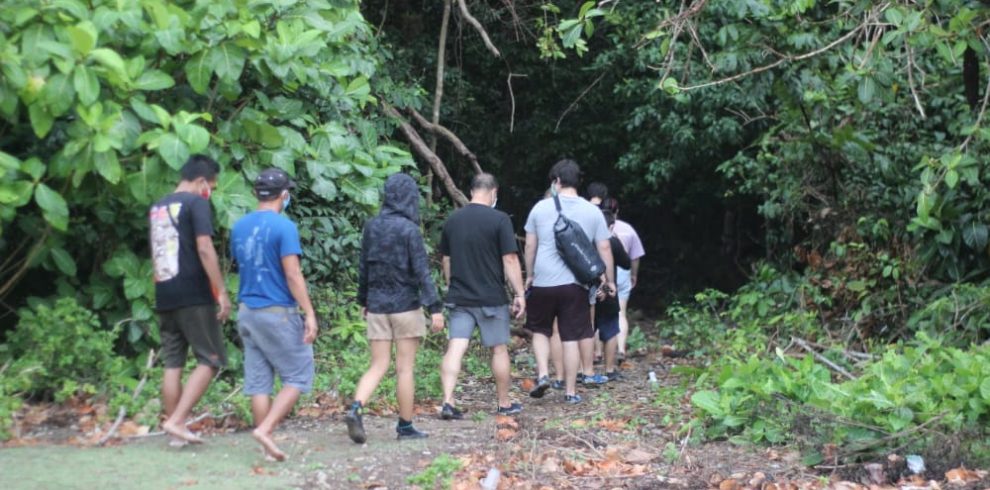
The highest point, Gunung Tinggi, offers a breathtaking 360-degree view of the entire island and the surrounding sapphire sea. For hikers and trekkers, this topography provides a variety of trails that transition from dense tropical rainforests to open, grassy ridges. The volcanic soil also makes the island incredibly fertile, supporting lush fruit orchards and terraced rice fields that rival those of Ubud.
5. Lake Kastoba: The Enchanted Crater Lake
Deep in the island’s interior, hidden by a thick canopy of ancient trees, lies Lake Kastoba.2 This is a volcanic crater lake located hundreds of meters above sea level. Reaching the lake requires a short but steep trek, which feels like entering a different world.
The lake is shrouded in mystery and local taboos. It is considered a sacred site, and there are strict local “rules of conduct” for those who visit. The silence at Lake Kastoba is profound, broken only by the calls of tropical birds. Its cool, fresh water is a stark contrast to the salty humidity of the coast, making it a spiritual and physical refreshment for those who make the climb.
6. The “Bali of the North” with Virgin Reefs
Bawean is often whispered about among divers as the “Bali of the North,” but with one major difference: the reefs are virgin. Because it is far from major shipping lanes and industrial zones, the water clarity around Gili Noko and Pulau Cina is world-class.
The coral gardens here are 30% more pristine than those in more famous tourist hubs. You can find massive gorgonian fans, colorful soft corals, and an abundance of macro-life. For snorkelers, the shallow sandbars of Noko Selayar offer a “natural aquarium” experience where you can swim among schools of vibrant reef fish in waist-deep, crystal-clear water.
7. A Cultural Melting Pot: The “Boyanese” Identity
The people of Bawean, known as the Boyanese, are a fascinating ethnic blend. Over centuries, the island became a melting pot for Madurese, Javanese, Bugis, and even Malay travelers. This has resulted in a unique language—the Baweanese dialect—which is a musical mix of these various cultures.
As a tourist, this means you get to experience a unique cultural hybrid. You can see it in the architecture, taste it in the spicy seafood cuisine (like Konyok), and hear it in the traditional Zafin Mandailing dance. The hospitality of the Boyanese people is legendary; it is common for locals to invite travelers into their homes for tea and snacks.
8. Rare Geological Wonders: Onyx and Hot Springs
Bawean’s volcanic heart isn’t just for show. The island is rich in geological treasures, specifically high-quality Onyx and Marble.3 Bawean onyx is famous throughout Indonesia for its beautiful veining and durability, and you can find local artisans carving it into exquisite jewelry and home decor.
Furthermore, the island is dotted with natural sulfur hot springs, such as the ones at Kebundaya and Taubat.4 These thermal pools are a favorite for both locals and tourists, believed to have healing properties for the skin and a soothing effect on the soul.
Conclusion: Why Bawean Island is Your Next Must-Visit
Bawean Island is a destination that challenges the soul of a traveler. It asks you to leave behind the luxuries of city life and embrace the raw, authentic beauty of the Java Sea. Whether you are trekking the 99 hills, searching for the rare Bawean Deer, or snorkeling in the shadows of volcanic cliffs, Bawean offers a sense of discovery that is hard to find in the modern world.
It is an island of sunlight, an island of women, and an island of ancient secrets. If you are looking for the “Next Big Thing” in Indonesian travel—before the rest of the world finds out—Bawean is waiting for you.
Would you like me to help you create a travel itinerary for Bawean Island, including how to book the ferry and where to find the best local homestays?
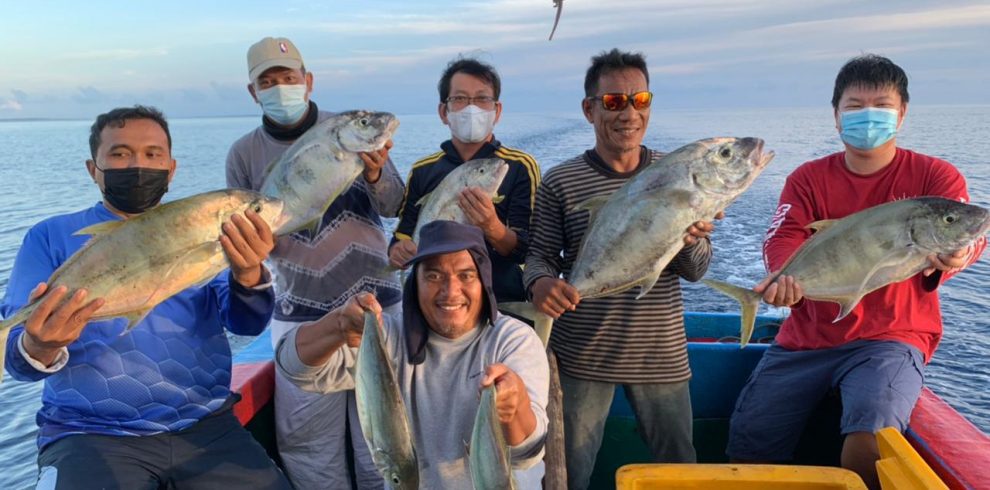
Fishing (22 Trips)
Hiking (33 Trips)
Jungle Safari (26 Trips)
Rafting (9 Trips)