


The Best Time to Visit Indonesian Volcanoes
The Best Time to Visit Indonesian Volcanoes
Indonesia’s volcanoes are among the most awe-inspiring in the world — from Mount Bromo’s golden sunrise to Ijen’s mysterious blue fire and Rinjani’s crater lake that seems carved from the heavens. But while these destinations promise adventure all year round, timing your trip is the key to an unforgettable experience. Weather, visibility, and volcanic activity all play major roles in shaping your journey.
If you’re planning your next adventure and comparing volcano tour packages, understanding the best time to visit will help you make the most of your trip — ensuring not just beautiful views, but also comfort, safety, and smooth logistics.
The Two Seasons in Indonesia
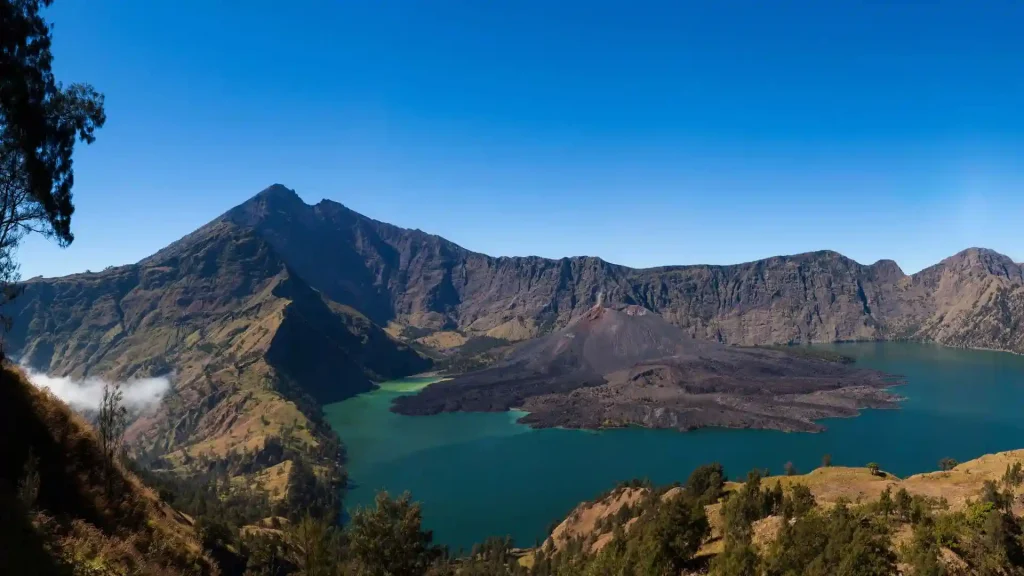
Indonesia’s tropical climate means there are only two major seasons throughout the year:
- 🌞 Dry Season (April – October)
- 🌧️ Rainy Season (November – March)
Both have their own appeal, but for most travelers — especially those joining volcano tour packages — the dry season is the ideal time for hiking, photography, and adventure travel.
Let’s break down how each season affects volcano exploration across the archipelago.
🌞 Dry Season: The Perfect Time for Volcano Adventures
The dry season is widely considered the best time to visit Indonesian volcanoes. From April to October, the skies are clearer, rainfall is minimal, and temperatures are relatively stable. Trails are dry and visibility is excellent — ideal for watching sunrises, photographing crater lakes, and trekking safely.
Why It’s the Best Season
- Stable Weather Conditions
- Morning views are crystal clear, especially at sunrise.
- Wind speeds are moderate, making summit climbs safer.
- Less chance of landslides or trail closures.
- Easier Trekking Conditions
- Trails like those on Mount Rinjani and Mount Semeru are open and less muddy.
- Campsites at Ranu Kumbolo (Semeru) or Plawangan (Rinjani) are dry and comfortable.
- Blue Fire and Sunrise Visibility
- The iconic blue fire in Ijen Crater is best seen during the dry season when cloud cover is minimal.
- Mount Bromo’s sunrise viewpoint offers its most photogenic panoramas during these months.
- Longer Operational Season
- Tour operators offer more volcano tour packages during this period.
- Transportation and accommodation are easier to arrange, with more availability and options.
Peak Months
- June to August: The busiest period, attracting both local and international travelers.
- Expect crowds at Bromo and Batur during sunrise.
- If you prefer quiet trails, try traveling in April–May or September–October — still dry, but less busy.
🌧️ Rainy Season: A Different Kind of Beauty
From November to March, Indonesia enters the rainy season. Heavy downpours can occur daily, especially in the afternoon or evening. While many travelers avoid this period, it doesn’t mean volcano adventures are impossible — you just need the right preparation and expectations.
Advantages of Traveling in the Rainy Season
- Fewer Tourists
- You’ll have trails and viewpoints almost to yourself.
- Accommodation prices drop, making volcano tour packages more affordable.
- Greener Landscapes
- Rain rejuvenates the scenery, turning volcanic plains into lush green valleys.
- Great for photographers who love vibrant contrasts and dramatic skies.
- Cultural & Local Experience
- Villages surrounding volcanoes are more active during harvest seasons.
- Festivals like Yadnya Kasada (Bromo) and Galungan (Bali) often fall near this time.
Challenges of Rainy Season Treks
- Slippery Trails: Especially on Rinjani, Semeru, and Ijen’s crater paths.
- Limited Visibility: Cloud cover often blocks sunrise views.
- Tour Suspensions: Authorities may close certain routes due to safety concerns — for example, Semeru’s summit is often closed during heavy rain months.
If you still wish to travel during this season, choose volcanoes with shorter hikes and easy access, such as:
- Mount Bromo (East Java) — still accessible by Jeep even in light rain.
- Mount Batur (Bali) — quick 2-hour climb, less affected by weather.
Regional Timing Differences
Indonesia stretches across thousands of islands, so weather patterns can vary by region. Understanding these regional differences can help you plan your volcano tour packages more effectively:
| Region | Best Months | Highlights | Notes |
|---|---|---|---|
| East Java (Bromo, Ijen, Semeru) | April – October | Clear skies, strong sunrises | Dry but chilly at night |
| Central Java (Merapi, Dieng Plateau) | May – September | Best for city & volcano combo tours | Avoid January rain |
| Bali & Lombok (Agung, Batur, Rinjani) | May – October | Great weather, calm seas | Combine with beach holidays |
| Sumatra (Kerinci, Sinabung) | June – September | Dry season shorter; humid climate | More unpredictable weather |
Best Time by Volcano
Here’s a quick reference to help you plan your visit according to your chosen destination:
| Volcano | Ideal Months | Reason |
|---|---|---|
| Mount Bromo | April – October | Clear sunrise views and dry desert plains |
| Mount Ijen | May – September | Best visibility for blue fire and lake color |
| Mount Semeru | June – October | Open trekking season; stable weather |
| Mount Rinjani | May – October | Summit routes open and safe |
| Mount Batur | All year | Short, accessible hike; avoid peak rain months |
Festivals and Special Events
For travelers who enjoy culture as much as nature, aligning your visit with local festivals adds an unforgettable touch to your volcano tour packages.
- Yadnya Kasada Festival (Mount Bromo) – Held annually (June–July), when the Tenggerese people throw offerings into Bromo’s crater to honor the mountain gods.
- Bali Galungan & Kuningan (Mount Agung/Batur) – Spiritual celebrations that turn villages around volcanoes into vibrant cultural scenes.
- Rinjani Trekking Season Opening (Lombok) – Usually in April or May, marked with traditional ceremonies blessing the mountain and trekkers.
Attending one of these events adds a cultural depth to your adventure — connecting your physical journey with the living traditions that surround these sacred volcanoes.
Planning Tips for Your Volcano Adventure
- Book in Advance (Dry Season):
- Popular volcanoes like Bromo and Rinjani sell out quickly. Secure your spot early, especially for overnight treks.
- Check Volcanic Activity Updates:
- Indonesia’s Volcanology Agency (PVMBG) regularly updates safety status for active volcanoes.
- Choose Flexible Volcano Tour Packages:
- Opt for packages that can adapt to weather or route changes without penalty.
- Layer Up:
- Even in dry months, temperatures near the summit can drop to 5°C or lower.
Conclusion
Choosing the best time to visit Indonesian volcanoes depends on your travel goals. If you want clear skies, iconic sunrises, and comfortable trekking conditions — plan your trip between April and October. For quieter trails, lush scenery, and budget-friendly volcano tour packages, the rainy months offer a unique and peaceful alternative.
Whether you’re chasing Bromo’s sunrise, Ijen’s blue fire, or Rinjani’s majestic peaks, timing your adventure wisely ensures every climb becomes more than a trip — it becomes a moment where earth, sky, and spirit meet in perfect harmony.
Read more
- Menjangan Island Access Comparison (2026): Bali vs Banyuwangi — Which Is Better?
- 8 Best Activities Bawean for a 1-Day Shore Excursion
- 8 Fascinating Facts About Bawean Island: The Java Sea’s Hidden Eden
- Exploring Bawean Island: The Hidden Gem of the Java Sea You Must Visit
- Menjangan Island Snorkeling Price Guide (2026): What You Actually Pay