


Blue Fire at Ijen Disappear not only just a myth
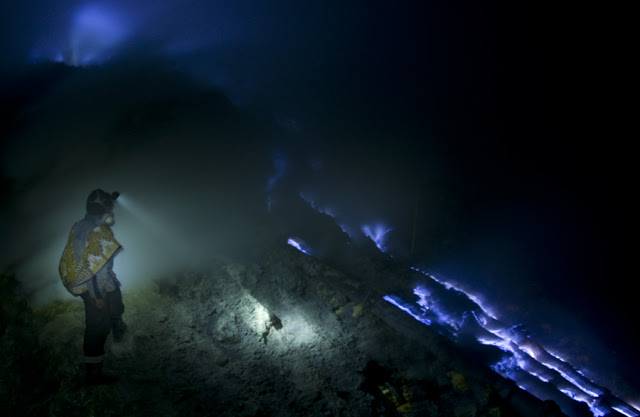
Mount Ijen in Banyuwangi, East Java, is one of Indonesia’s most extraordinary natural wonders. Famous for its blue fire phenomenon, this destination attracts thousands of travelers each year who book Ijen tour packages to witness the rare spectacle. However, recent developments have raised an important question: could the blue fire eventually disappear?
The Role of Sulfur Mining in Kawah Ijen
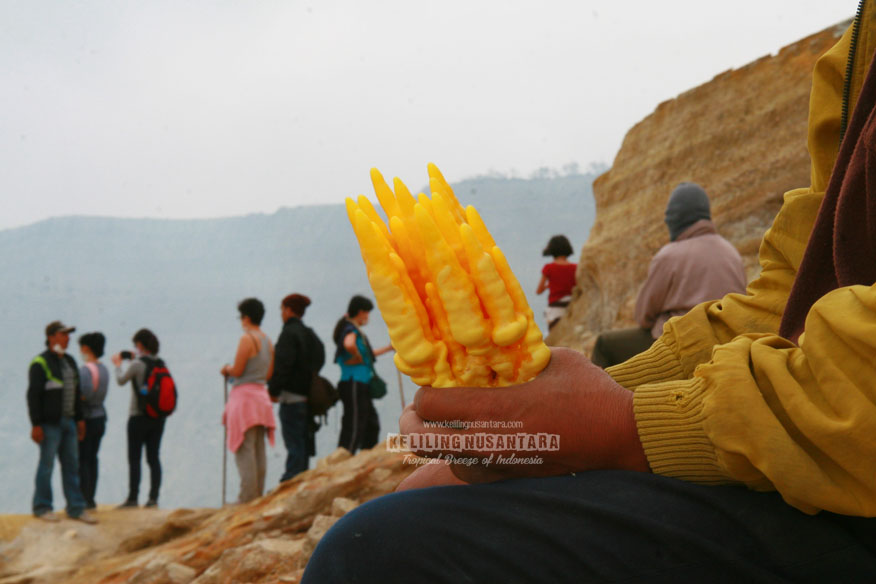
For decades, sulfur mining has been a vital activity in Kawah Ijen. Local miners collect chunks of sulfur from inside the crater and carry them down the steep slopes. These sulfur blocks are then purchased and distributed by licensed companies such as:
PT. Candi Ngrimbi – Holds a mining license and buys sulfur from miners before distributing it to industries, including sugar processing.
PT. Belerang Gunung Kawah Ijen – Also involved in supplying and selling sulfur for various industrial purposes.
These companies not only support industrial needs but also manage the logistics of transporting sulfur from the crater to the market.
Why the Number of Miners is Declining
Not long ago, more than 300 sulfur miners worked in Ijen. Today, only about 10 remain active. The reasons are clear:
- Low Wages – Miners are paid only around Rp 1,250 per kilogram of sulfur carried, which is considered too little compared to the risk and effort.
- Tourism Opportunities – Many miners have shifted to the tourism sector, offering services like pushing trolleys for visitors. This work provides significantly higher income, sometimes reaching millions of rupiah per month.
As a result, the supply of sulfur to companies like PT. Candi Ngrimbi has dropped dramatically.
What Does This Mean for the Blue Fire?
The blue fire in Ijen is caused by the combustion of sulfuric gases that emerge through cracks in the volcano. If sulfur mining stops completely, many sulfur vents may become buried under volcanic material. Over time, this could reduce the intensity—or even threaten the existence—of the blue flames.
This is why the decline in mining is not just an economic issue but also an environmental and tourism concern. Without miners regularly clearing the vents, the very phenomenon that draws global travelers to Banyuwangi may fade away.
Seeking a Balance Between Tourism and Mining
The Banyuwangi Tourism Board and sulfur companies have been in discussions to address this challenge. The goal is to find a balance between:
- Supporting the miners with fair wages.
- Regulating trolley and guiding services.
- Ensuring the sustainability of both tourism and sulfur production.
Why Travelers Should Care
For visitors booking Ijen tour packages, this issue highlights how deeply connected the local community, natural resources, and tourism experience really are. Supporting responsible tours and respecting the work of local guides and miners can make a difference in preserving Ijen’s unique environment.
Final Thoughts
The blue fire of Ijen is one of the rarest natural wonders on Earth, visible only in a handful of places worldwide. But its survival depends not just on nature, but also on human choices. By learning more about the mining industry and the challenges faced by local workers, travelers can appreciate the phenomenon on a deeper level.
So, the next time you book an Ijen tour package, remember: witnessing the blue fire is not just about seeing a spectacle—it’s about understanding the balance between people, nature, and sustainability.
Would You Prefer to Experience This as a Private Trip?
Absolutely. Planning a private trip to Indonesia? All of our tour packages can be 100% customized to fit your travel style. Travel pace, group size, and preferred dates without the rush of a shared tour group.
With dedicated private transport, experienced local drivers, and tailored support from our team, we handle all the logistics so you can focus entirely on the experience. Reach out to customize this route and make this journey truly yours.
Comments are closed