


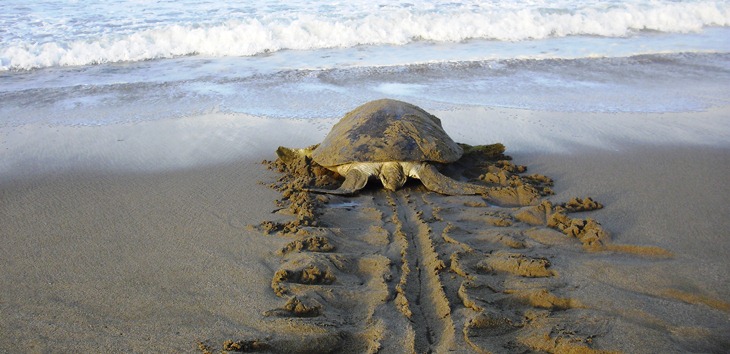
Sukamade Beach: Witnessing the Miracle of Sea Turtles in Meru Betiri National Park
Explore Sukamade Beach. Imagine standing on a pristine, moonlit beach as a giant sea turtle emerges from the waves, a creature of ancient grace, to lay its eggs in the sand. This is not a scene from a documentary; it’s a real-life, breathtaking experience you can have at Sukamade Beach, a vital conservation area nestled within East Java’s magnificent Meru Betiri National Park (TNBT).
Often called the “Green Turtle’s Nesting Heaven,” Sukamade Beach offers a rare opportunity to witness one of nature’s most sacred rituals up close. This comprehensive guide will take you through everything you need to know about this remarkable destination, from the incredible wildlife and challenging journey to its crucial role in global conservation efforts.

A Sanctuary of Biodiversity: Meru Betiri National Park
Meru Betiri National Park is an expansive protected area covering over 50,000 hectares on the southern coast of East Java. The park’s name is derived from its highest peak, Mount Betiri (1,223 m), and it spans parts of both Jember and Banyuwangi regencies. Officially designated as a protected area in 1972, this national park is a treasure trove of biodiversity, boasting a rich ecosystem that ranges from coastal vegetation and mangrove forests to lush tropical rainforests.
While the park is most famous for its sea turtles, it is also a sanctuary for many other endangered and protected species. Sightings of wildlife are not uncommon, including various types of monkeys, peacocks, wild boars, and a diverse range of birds like sea eagles and hornbills. The park’s elusive fauna, such as the Javan leopard and banteng (Javanese wild ox), are a testament to its wild and untouched nature. Although the Javan tiger is reportedly extinct, the park remains one of the last places it was ever seen, adding to the area’s mystique.
For flora enthusiasts, Meru Betiri is home to several unique species, including the rare and endemic Rafflesia zollingeriana, a large parasitic flowering plant, and the Balanophora fungosa. The park’s diverse landscape also offers stunning natural attractions like Teluk Hijau (Green Bay), a charming beach with turquoise waters that is a favorite among adventurers.
The Main Attraction: Turtle Nesting at Sukamade Beach
Sukamade Beach is a long, sweeping stretch of sand that has been a crucial nesting ground for sea turtles for centuries. Of the six species of sea turtles found in Indonesia, four regularly come ashore here to lay their eggs:
- Green Turtle (Chelonia mydas)
- Hawksbill Turtle (Eretmochelys imbricata)
- Olive Ridley Turtle (Lepidochelys olivaceae)
- Leatherback Turtle (Dermochelys coriacea)
Among these, the Green Turtle is the most frequent visitor, making Sukamade one of the most significant green turtle nesting sites in the world, as noted by research from the World Wide Fund for Nature (WWF).
The nesting season typically peaks between October and April, with turtles arriving in a silent procession under the cover of night. To ensure their safety and the success of the nesting process, a strict set of rules is enforced. The park’s rangers carefully guide visitors to observe from a distance, prohibiting the use of flashlights and loud noises. A bright light can disorient the turtles, causing them to abandon their nesting attempt and return to the sea. This is why a short trek along the beach in the dark is required—to minimize any potential disturbance.
Once a turtle has laid its eggs, which can number from 100 to 150, park rangers meticulously collect them and relocate them to a protected semi-natural hatchery. This vital conservation measure is necessary to protect the eggs from predators like wild boars, monitor lizards, and human poachers. The hatchery ensures a higher survival rate for the hatchlings, who are then released into the sea after a few weeks of care. Visitors can often participate in the heartwarming experience of releasing these tiny hatchlings, a symbolic act that connects them directly to the conservation effort.
Beyond Turtle Watching: Adventure and Exploration
Sukamade Beach is more than just a turtle sanctuary; it’s a gateway to adventure for those with an adventurous spirit. The remote location and rugged terrain mean that reaching the park is an expedition in itself, a true test of a traveler’s resolve.
- Jungle Trekking & Hiking: The dense jungle surrounding the park offers a paradise for trekkers. You can explore the lush forests around Bandealit and Mount Gendong, discovering the unique flora and fauna that thrive within the national park’s boundaries. The trails provide a genuine sense of being in a wild, untamed environment.
- Rock Climbing & Rappelling: For extreme sports enthusiasts, the cliffs along the Bandealit coast offer opportunities for rock climbing and rope rappelling, providing an adrenaline-pumping way to experience the park’s dramatic coastal landscape.
- Canoeing & Bird Watching: On the eastern side of Sukamade Beach, a mangrove forest lines the estuary. The river here is perfect for a peaceful canoe trip, where you can do some bird watching. You can spot a variety of sea birds, including sea eagles, terns, and roko-roko, especially as you wait for the sunset.
Getting There: The Journey is Part of the Adventure
Reaching Meru Betiri National Park is not for the faint of heart, but the challenging journey is part of what makes the destination so rewarding. The roads are rough and unpaved after the main entrance, full of sharp rocks, and travelers will often have to cross several rivers that can be knee-deep in the dry season and even higher during the rainy season. This is why a sturdy 4×4 vehicle is highly recommended. Sedans and other small cars are not suitable for this expedition.
There are several routes to the national park, originating from either Jember or Banyuwangi.
- From Jember:
- Jember-Ambulu-Curahnongko-Bandealit (Western Gate): Approximately 64 km, taking 1.5 to 2 hours.
- Jember-Glenmor-Sarongan-Sukamade (Eastern Gate): A longer route of 103 km, taking 3.5 to 4 hours.
- Jember-Genteng-Jajag-Pesanggaran-Sarongan-Sukamade: At 109 km, this route also takes around 3.5 to 4 hours.
- From Banyuwangi:
- Banyuwangi-Jajag-Pesanggaran-Sarongan-Sukamade: The longest route at 137 km, taking about 5 hours.
Essential Information for Your Trip
To make your adventure to Sukamade Beach a success, here are a few key things to keep in mind:
- Facilities: The facilities at Sukamade are rustic and basic, in line with its remote, natural setting. You can find simple accommodations like guesthouses and a camping ground with a meeting hall and shelters. There is a basic laboratory and information center. Expect limited electricity (often shut off after midnight) and little to no cellular signal.
- Respect the Rules: As a protected conservation area, it’s crucial to follow the rules set by the park rangers. This includes not littering, avoiding flash photography, and maintaining a respectful distance from the nesting turtles.
- Pack Smart: Bring essentials like sturdy shoes, insect repellent, a red-filter flashlight (white lights are prohibited), and enough cash, as there are no ATMs in the area.
Sukamade Beach is a destination that promises more than just sightseeing; it offers an immersive, educational, and deeply moving experience. It is a place where you can connect with nature, witness a timeless miracle, and contribute to the vital mission of protecting some of the world’s most magnificent creatures.
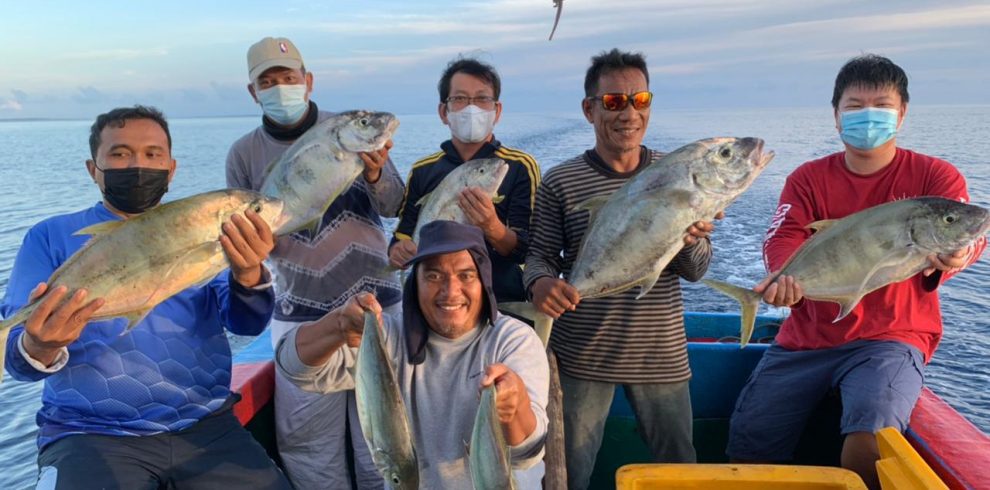
Fishing (24 Trips)

Hiking (41 Trips)
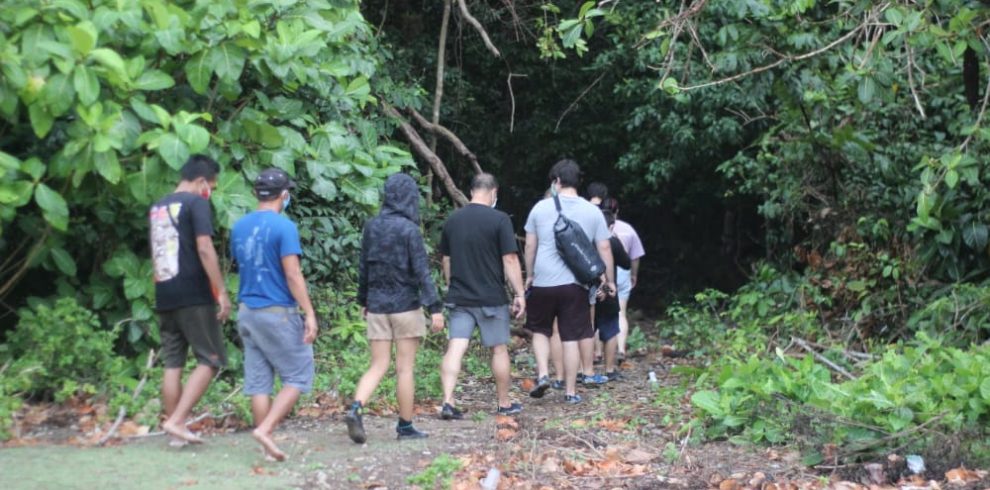
Jungle Safari (32 Trips)

Rafting (8 Trips)
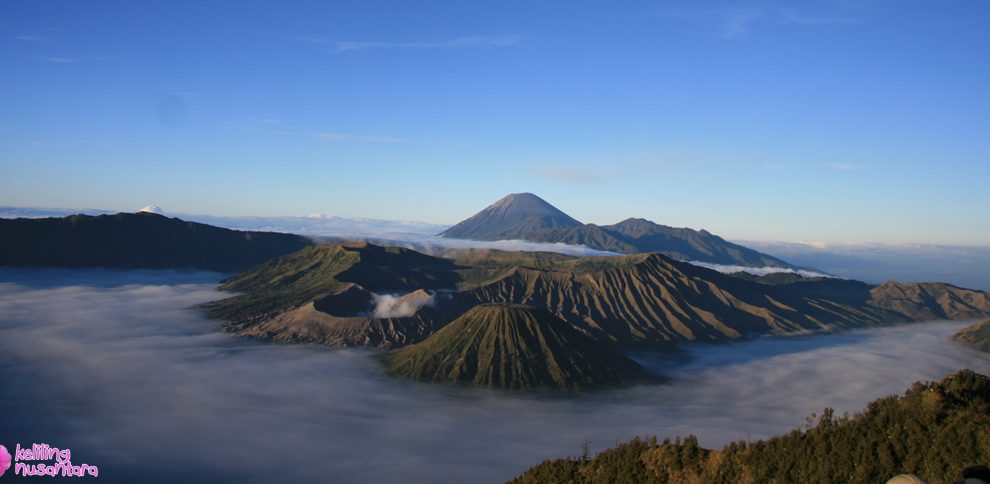
Peak Climbing (2 Trips)

Road Cycling (4 Trips)
Would You Prefer to Experience This as a Private Trip?
Absolutely. Planning a private trip to Indonesia? All of our tour packages can be 100% customized to fit your travel style. Travel pace, group size, and preferred dates without the rush of a shared tour group.
With dedicated private transport, experienced local drivers, and tailored support from our team, we handle all the logistics so you can focus entirely on the experience. Reach out to customize this route and make this journey truly yours.
Comments are closed